
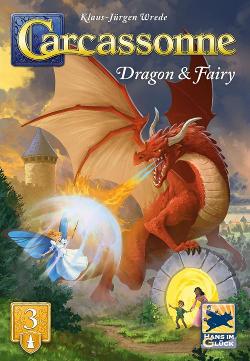
2005 · Fantasy
Carcassonne: Dragon & Fairy
Adds a fantasy layer to the base game with a dragon that moves around the map and a fairy that protects followers. Players place tiles that include dragon nests, volcanoes, magic gates, and princess locations, then deploy followers to score features while accounting for the dragon’s threats and the fairy’s shielding. A large wooden dragon piece is moved each turn by die roll or tile-trigger, eating followers on its path; the wooden fairy can safeguard a follower from removal. Players adapt placement and follower strategies to exploit princess effects, secret passages, and new tile interactions to score points.
- Players
- 2–6 best 4
- Playing time
- 60 min
- Age
- 13+
- Complexity
- 2 / 5
About the game
- Design
- Publisher





Expansion for
See them in Ludoya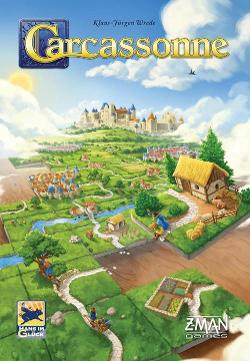
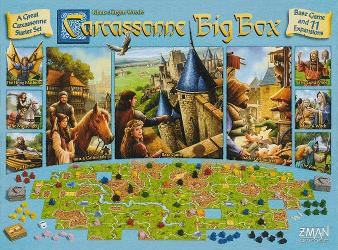
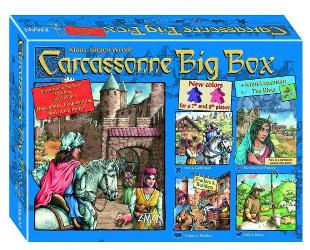
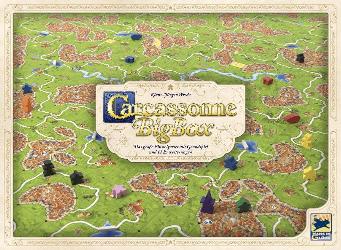
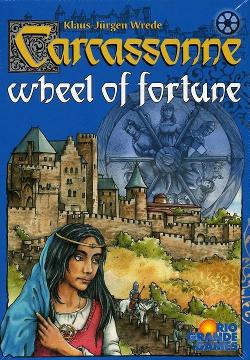
Expansions
See them in Ludoya
Where to buy it
Shop prices and second-hand copies, checked every day.
On Ludoya's tables
Full stats in Ludoya- 37
- Plays logged
- 10
- Players
- 45m
- Average play
- 144
- In collections
- 4
- On wishlists
- 1
- Pre-ordered
7.1/10
from 34 Ludoya reviews
Oscaarz9.0 This is a expension adding a lot of interaction! With the dragon, it will force any players to think, to developp every strategy to avoid the Dragon

Rules questions
Answered from the rulebook by Ludoya's rules assistant.
When and how is the dragon placed and how does it move?
The dragon is placed onto the newly placed Volcano tile (you may not place a meeple on a Volcano), and when a Dragon tile is placed the dragon then moves: players in turn move it one space (orthogonally) until it has moved up to 6 spaces or cannot move, cannot revisit tiles it has visited this turn, and may not move onto the fairy's tile (page 2). Note that the dragon is not added to the game until the first Volcano tile is placed; any Dragon tiles drawn earlier are set aside and reshuffled later (page 3).
What happens when the dragon lands on a tile with meeples — which figures does it eat or not eat?
Whenever the dragon moves to a tile occupied by one or more meeples or similar figures, it eats those figures and they are returned to their owners (page 2); the rulebook summarizes what it does and does not eat—generally it eats 'flesh and blood' figures (meeples, abbot, large meeple, builder, pig, mayor, wagon, shepherd and sheep, meeples on towers, etc.) and does not eat the fairy or certain protected pieces/tiles (page 3).
If I place a Princess tile can I remove an opponent's knight and still place a meeple that turn?
If a Princess tile extends a city with knights, you may remove one knight (even your own) from that city, but if you removed a meeple you may not place a meeple anywhere that turn (page 4).
How does the Magic Portal work — can I place a meeple on any previous tile?
After placing a Magic Portal tile you may place a meeple on that portal tile or on any previously placed tile, following all normal placement rules (you may not place into occupied or completed features) (page 4). Note some expansions impose limits (for example, a portal may not be used to place a builder or pig; see page 6).
How do I use the fairy and what benefits does it give?
On a turn when you do not place or move a meeple you may assign the fairy to one of your meeples by placing it next to that meeple; if the fairy is still assigned at the start of your turn you score 1 point, the fairy's tile and its figures are protected from the dragon (the dragon may not enter that tile), and when that meeple scores a feature you earn +3 additional points (the meeple returns as normal but the fairy stays) (page 5).
Free, on web, Android and iOS
Play Carcassonne: Dragon & Fairy with Ludoya
- Keep it in your collectionTrack your copy and its expansions, lend it to friends, or put it on your wishlist and get told when the price drops.Add it to your collection
- Log every playScores, winners, timers and photos, then your stats: win rate, favourite player count, best score.Log a play
- Settle rules questionsAsk anything about the rules and get an answer from the rulebook, with the page to check it on.Ask the rules assistant
- Find people to play it withClubs, game nights and events near you that bring this game to the table.See events
Game facts (players, playing time, age, credits) from BoardGameGeek.