
Partnerships and activations
Reach players through play, not banners
Nobody here scrolls past your campaign — they take part in it. Challenges, badges, demos and prize draws that reward playing, measured in plays rather than impressions.
The audience, honestly stated
Badges
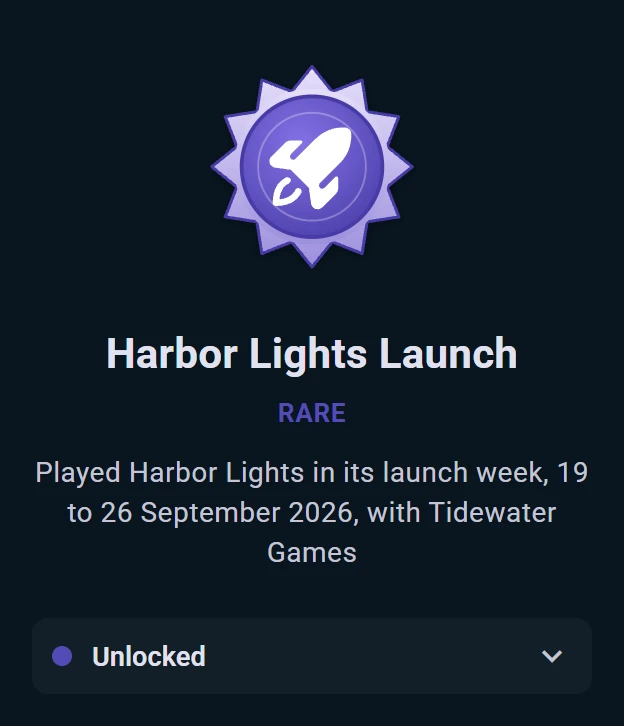
A badge is an ad someone is proud to display
A time-limited badge — play the game, attend the launch, scan the QR at the stand — sits on the player’s profile afterwards. Your campaign becomes part of how they present themselves.
- Earned by doing. Plays, attendance or a physical QR — never by watching something.
- Scarce on purpose. When the window closes, the badge is unobtainable. That is why it gets earned.
- Visible for years. Profiles and the yearly Replay keep the campaign alive long after it ends.
Raffles and prizes
Prize support that lands on the right tables
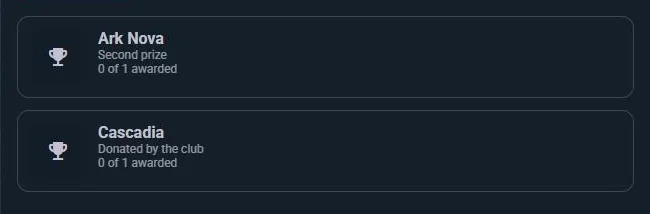
Sponsor a club night’s prize, run a draw at a convention, or seed a demo circuit with copies — the raffle machinery makes it fair, visible and effortless for the organiser carrying your brand.
- Drawn fairly, announced instantly. No hat, no doubts, and the sponsor is named on the draw.
- Organisers want this. Prize support is the easiest yes in the hobby — you fund what they already run.
- From one night to a circuit. The same mechanics scale from a bar in Reus to a national series of venues.
Measurement
Reported in plays, players and places — never identities
Campaign reporting is aggregate: plays triggered, unique participants, geographic spread, repeat engagement. Personal data is not for sale here, which is precisely why the community tolerates campaigns at all.
Demos
A demo circuit, booked like theatre seats
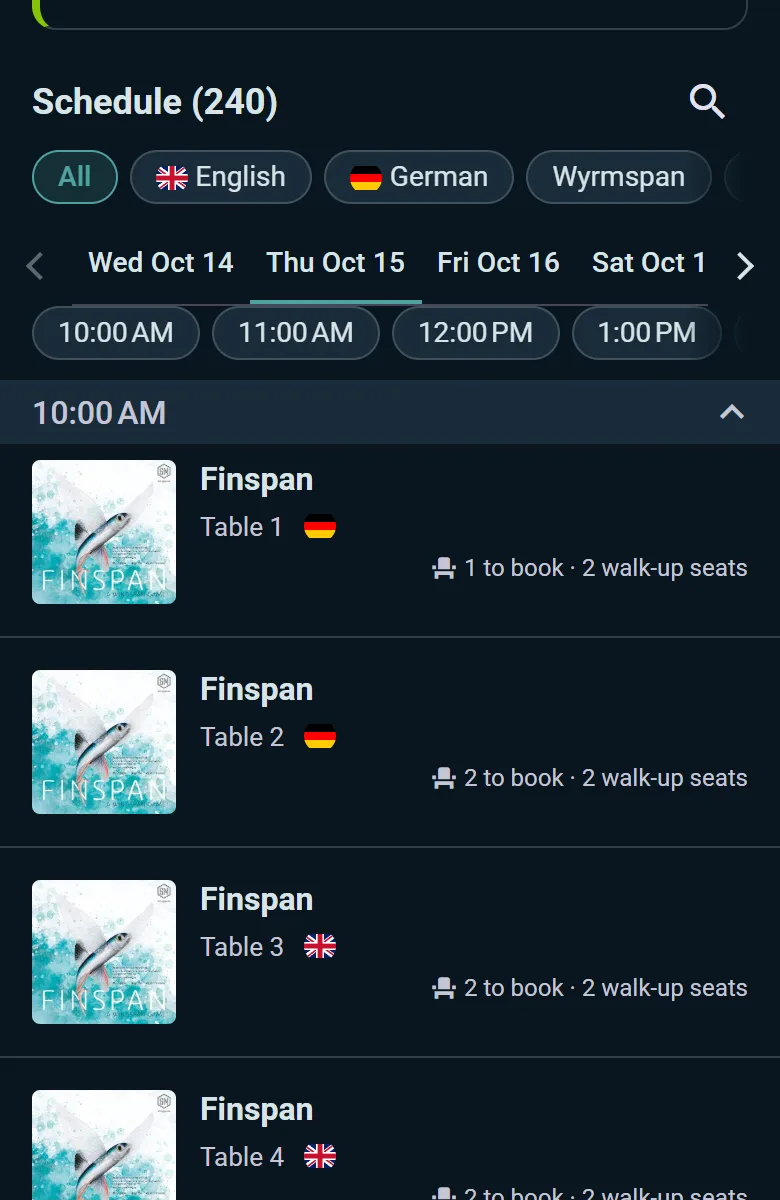
Demo stands run a timetable of sessions in stores, at conventions, on tour — players book seats, the wait list fills gaps, and players log each session as a play attached to the campaign.
- Multi-venue by design. The same campaign runs across every participating store’s stand.
- Demo crews see their day. Every table now and next at one desk; no clipboard on the stand.
- Every seat is a data point. Sessions, players reached and follow-on plays, in the aggregate report.
Formats
Pick the shape that fits the objective
Launch activation
Badge + demo stand + raffle around a release window.
Catalogue revival
A challenge that puts an older title back on tables for a month.
Sponsored tournament
Your name on a season — pairings, standings and the trophy moment included.
Retail circuit
Demos and prizes across partner venues, one campaign, many rooms.
Event sponsorship
Fund a convention or festival that runs on Ludoya, and be present in its programme.
Creator coverage
Reviews and demo-day content from creators whose audience fits.
How it goes
Objective first, mechanics second
Tell us what winning looks like
A launch, a revival, footfall for partner stores, a season of visibility. The objective picks the format, not the other way round.
We shape it together
Which mechanics, which venues or events, what window, what it costs. A concrete proposal, not a rate card.
Run, then read
The campaign runs on the platform machinery; the report arrives in plays, participants and places.
What it costs
Campaigns are priced per campaign — a one-night raffle sponsorship and a national demo circuit are different animals, and pretending one price fits both would be a lie in either direction. Write to us with the objective and the window; you get a number.
Two commitments, whatever the size:
Aggregate reporting only. Plays, participants, geography, repetition. No identities, no contact lists, no exceptions — including for the biggest cheque.
Campaigns reward play. If a format would interrupt players rather than give them a reason to play, we will say no and propose the version that works. A community that trusts campaigns is the only kind worth advertising to.
Tell us what you want to happen
A game, a chain, a festival, a brand that fits the table — if it involves board gamers, there is a format.
Frequently Asked Questions
Who is this for — only publishers?
Publishers and distributors most often, but also retail chains, conventions seeking sponsors, and brands that fit the tabletop audience. If the campaign gives players a reason to play, it fits.
What does a campaign cost?
It is priced per campaign, by scope: mechanics used, venues or events involved, duration. You bring the objective, we come back with a concrete number.
What do we get in the report?
Aggregates: plays triggered, unique participants, challenge progress, geographic spread, repeat engagement, and organiser participation where venues were involved.
Can we get the participants’ emails?
No. Aggregate reporting is a hard line, not a negotiation. Players who love your campaign will follow your profile — that is the audience you keep.
Can a campaign run in physical stores?
Yes — demo stands, QR-earned badges and raffles all work on shop floors, and multi-venue circuits are a native format.
How far ahead should we plan?
A raffle sponsorship can go live in days. A launch activation wants 4–6 weeks; a multi-venue circuit or convention sponsorship, a quarter. Earlier is always cheaper than urgent.
Can we sponsor Ludoya itself rather than a campaign?
Possibly — that conversation exists, but campaigns tied to play are what we recommend first, because they are what this audience demonstrably responds to.