
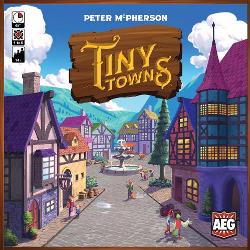
2019 · Animals
Tiny Towns
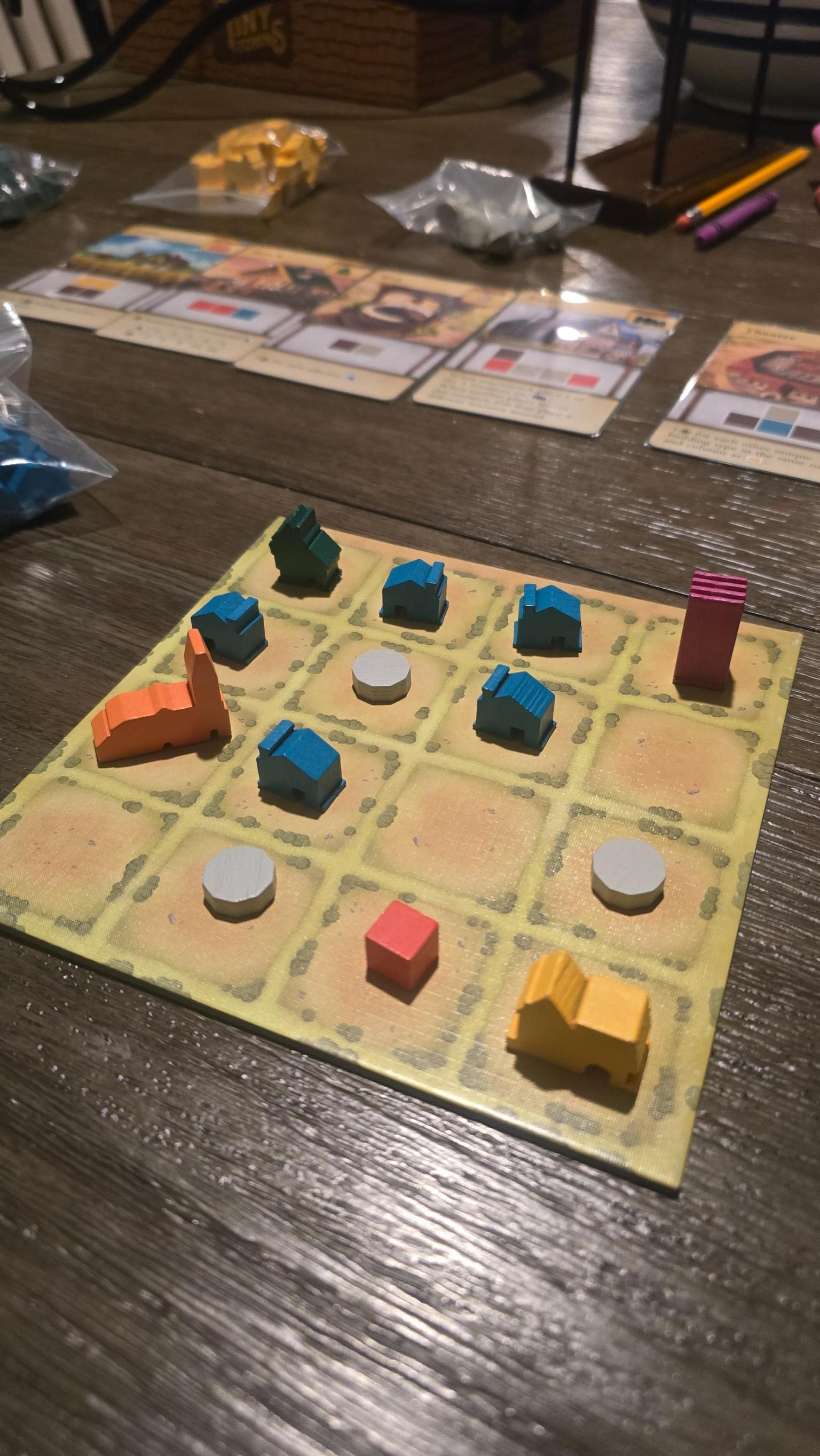
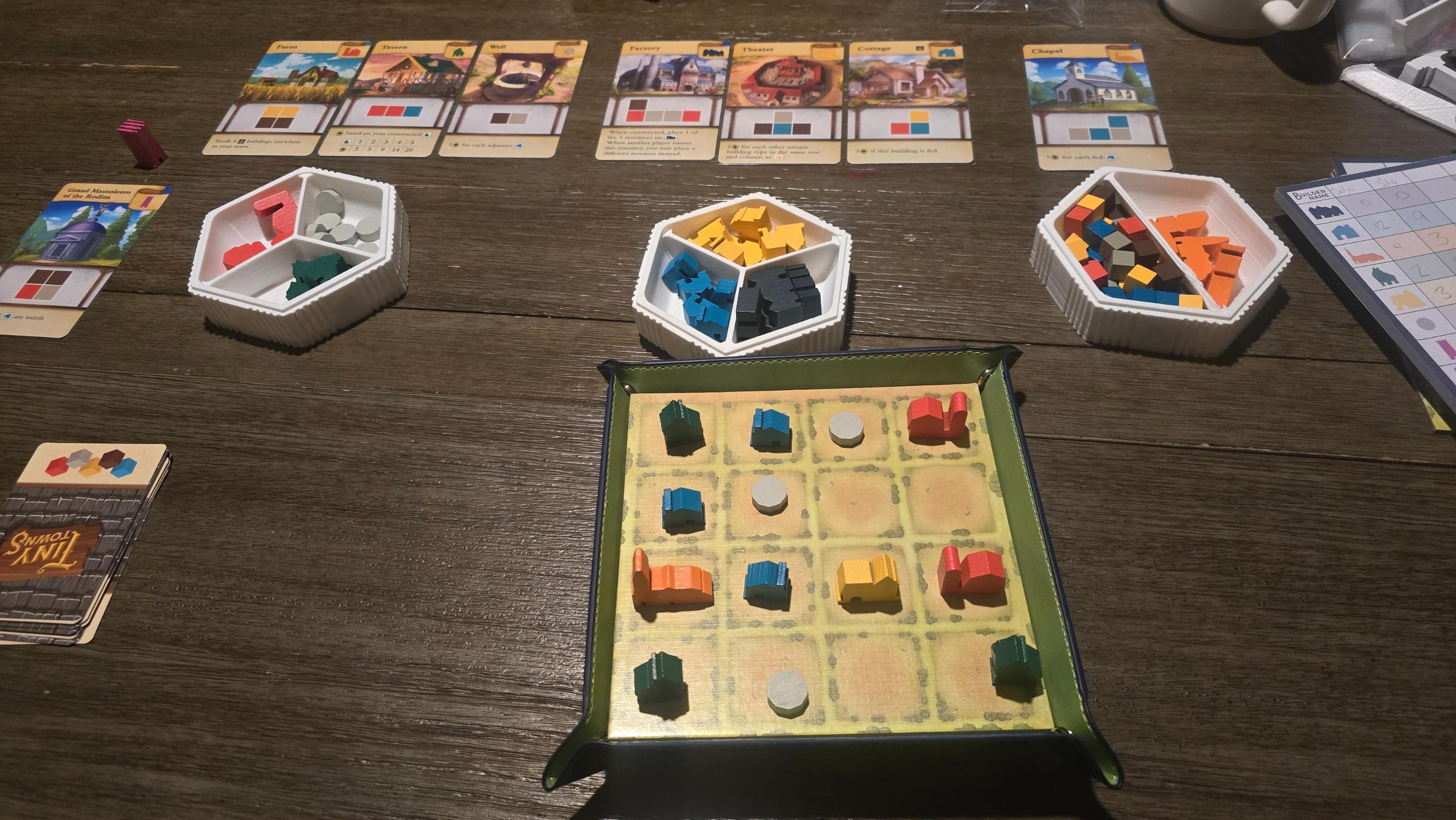
Players act as mayors of a small woodland settlement, placing resource cubes on a personal 4x4 grid to construct buildings. Each round, a common card indicates a resource pattern; players place that resource on their grid and try to complete specific layouts that correspond to buildings. Each building type scores differently, so players plan placements to maximize points while avoiding unused empty squares, which cost -1 VP at game end. The game ends when no more placements or constructions are possible; the highest total VP wins.
- Players
- 1–6 best 3
- Playing time
- 45–60 min
- Age
- 14+
- Complexity
- 2.1 / 5
About the game
- Design



Expansions
See them in Ludoya Tiny Towns: Fortune2020
 Tiny Towns: Villagers2020
 Tiny Towns: Tiny Trees2020
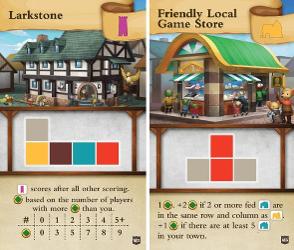 Tiny Towns: FLGS and Larkstone Promo Cards2020
 Tiny Towns: Architects2024
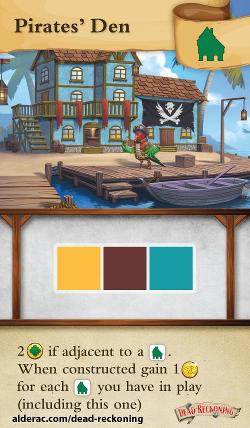 Tiny Towns: Fortune – Pirate's Den2020
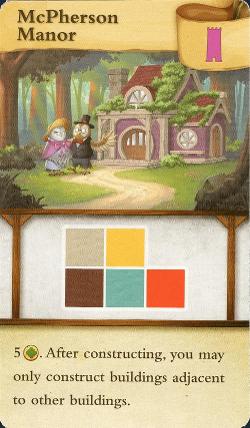 Tiny Towns: McPherson Manor Promo Card2022
 Tiny Towns: Underground2026
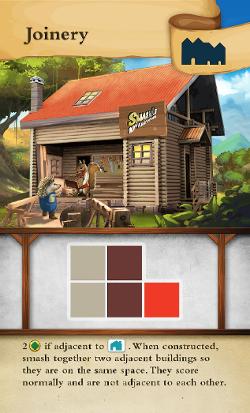 Tiny Towns: Joinery2023
 Dead Reckoning: Other Games Promo Pack2026
 Tiny Towns: Lodge2026
Photos from Ludoya tables
All photos in Ludoya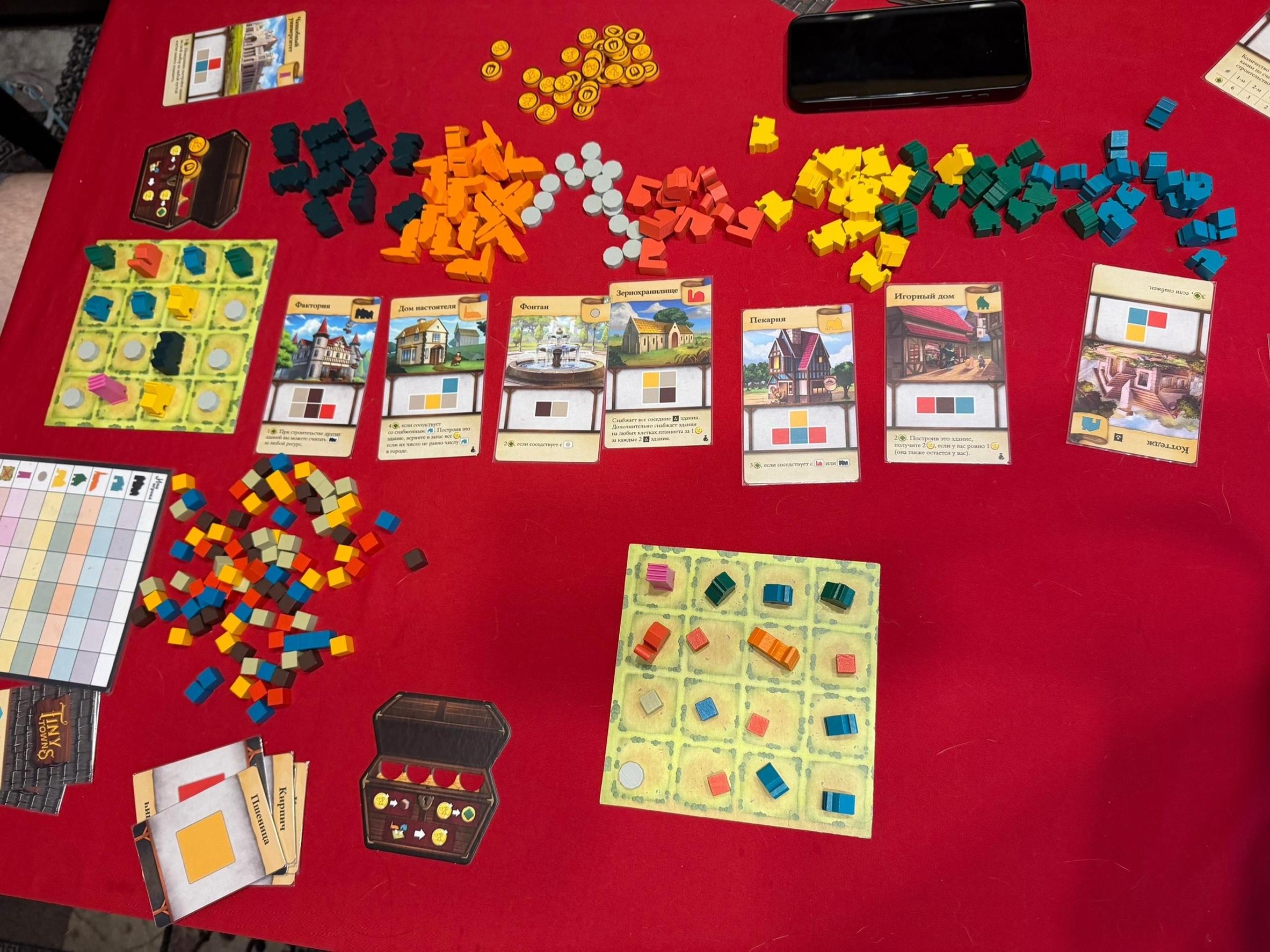
Where to buy it
Shop prices and second-hand copies, checked every day.
On Ludoya's tables
Full stats in Ludoya- 670
- Plays logged
- 648
- Players
- 34m 13s
- Average play
- 156
- In collections
- 21
- On wishlists
6.7/10
from 62 Ludoya reviews
Poteet7.3 Classic easy to learn difficult to master game. This game frustrates you (in a good way) by never letting you get comfortable with a specific game plan.
Evan4.6 City building filler game. One pattern card for each type of building is revealed at the start of the game. Each player gets a grid. In turn order each player calls out a color of cube, and then all players have to take one and place it into their grid on an empty space. Then if they have a grid state that matches a pattern on one of the cards they can clear the cubes and place a building token in one of the spaces those cubes occupied. To keep things from being symmetrical, each player gets one special building card to their hand which grants them a different ability or scoring opportunity once built. The game continues until everyone's grid is full of buildings or useless cubes. Then you score and are punished for spaces without buildings. The game plays quickly, and it's quite satisfying to try and tetris these cube patterns while avoiding getting cubes stuck in an arrangement that won't be able to complete a pattern. Clever players can watch for colors you need and try and call out colors they can use but you can't to trip you up and also manipulate you into calling a color they need. We had one oddity, there is one of the asymmetric cards which once built had the ability to let the owning player place a completed building anywhere in their grid rather than forcing them to place into one of the spaces those cubes occupied. This seemed a little overpowered, but perhaps with additional plays we would see it differently. ★ Art, Iconography and components functional ★ Clever or interesting mechanisms ★ Reasonably low downtime between turns with mildly AP players ★ Multiple plays stay interesting ★ Low or mitigatable luck elements ★★☆☆☆ Raw enjoyment
Rules questions
Answered from the rulebook by Ludoya's rules assistant.
Do I have to place the named resource in a specific spot, or can I put it anywhere empty on my board?
You MUST take the named cube and place it in any empty square of your town grid (placement is simultaneous), and once placed a resource may never be moved except when removed to construct a building (p.4).
If the pattern for a building appears on my board, do I have to build it right away or can I wait?
You may wait as many rounds as you want to construct a building after its resources are in place; construction happens during the build step after placement and players may build multiple buildings at once (p.4).
Can I construct a building before I physically place the last cube that completes its pattern?
No — you cannot construct a building immediately after a resource has been named without first physically placing that resource cube in your town (p.4).
Where do I put the wooden building tile when I construct a building? Any exceptions?
Remove the correct resources and place the wooden building in one of the squares that was occupied by those resources; the Shed is an exception and may be placed in any empty square on the board (p.4, p.7).
How does a Warehouse work — can I dump unwanted resources on it and later take them back?
You may place up to 3 resources on a Warehouse by placing cubes on the building when you don't want them; you may remove a resource from a Warehouse to put it on your board only when you place a new resource onto the Warehouse, so the number of resources on a Warehouse never decreases (p.7).
At game end do cubes on the board count as filled squares, and what about cubes on Warehouses and empty-square penalties?
At game end remove all remaining resource cubes except those on Warehouses, then each empty square is worth −1 VP; cubes on Warehouses remain and thus those squares are not counted as empty (p.5, p.7).

















Free, on web, Android and iOS
Play Tiny Towns with Ludoya
- Keep it in your collectionTrack your copy and its expansions, lend it to friends, or put it on your wishlist and get told when the price drops.Add it to your collection
- Log every playScores, winners, timers and photos, then your stats: win rate, favourite player count, best score.Log a play
- Settle rules questionsAsk anything about the rules and get an answer from the rulebook, with the page to check it on.Ask the rules assistant
- Find people to play it withClubs, game nights and events near you that bring this game to the table.See events
Game facts (players, playing time, age, credits) from BoardGameGeek.