
2022 · Fantasy
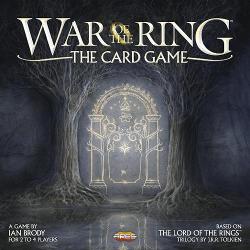
War of the Ring: The Card Game
Players form two teams, the Shadow and the Free Peoples, each controlling faction-specific decks that reflect different strengths and weaknesses. Turns involve playing cards for characters, armies, items, and events to advance the Fellowship along its Path or to attack and defend strongholds on a shifting Battleground. The Free Peoples attempt to complete a perilous quest to destroy the Ring while holding territory against enemy incursions; Shadow players pursue rapid assaults or gradual corruption of the Ring-bearer to derail the quest. Games support up to four players in cooperative team play and emphasize card-driven conflict and strategic coordination.
- Players
- 2–4 best 4
- Playing time
- 90–120 min
- Age
- 13+
- Complexity
- 3 / 5
About the game
- Design


Expansions
See them in Ludoya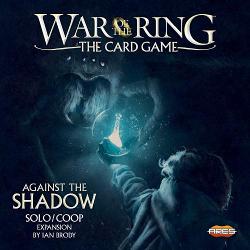 War of the Ring: The Card Game – Against the Shadow2023
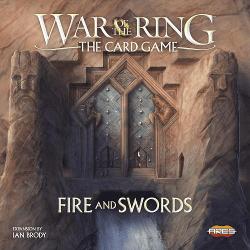 War of the Ring: The Card Game – Fire and Swords2024
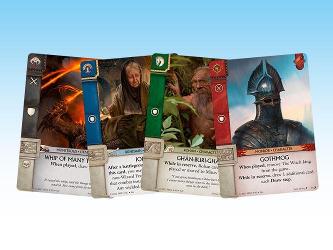 War of the Ring: The Card Game – Pre-Order Promo Cards2022
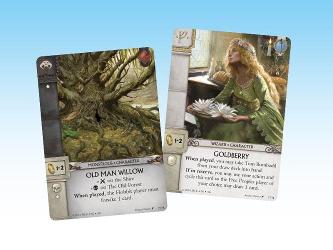 War of the Ring: The Card Game – Fire and Swords: Promo Cards2024
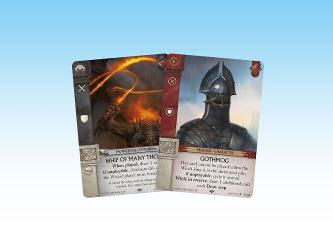 War of the Ring: The Card Game – Against the Shadow: Promo Cards2023
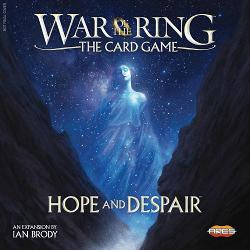 War of the Ring: The Card Game – Hope and Despair2026
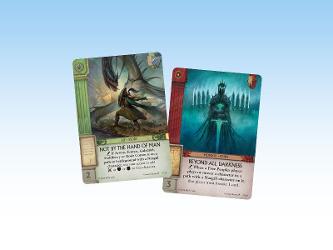 War of the Ring: The Card Game – Hope and Despair: Promo Cards2026
Where to buy it
Shop prices and second-hand copies, checked every day.
On Ludoya's tables
Full stats in Ludoya- 269
- Plays logged
- 355
- Players
- 2h 26m
- Average play
- 159
- In collections
- 12
- On wishlists
8.0/10
from 46 Ludoya reviews
- Base -
Best 4 players card game ever. ABSOLUTELY MASTERPIECE

Rules questions
Answered from the rulebook by Ludoya's rules assistant.
When can I activate or reactivate a battleground or path? Can a path be activated more than once?
Battlegrounds and paths are normally activated in the Location step by the starting player (place the card face up and resolve its activation text); battlegrounds can be activated or reactivated from a scoring area and have their activation text resolved again, while only one path can be active at a time and a specific path card cannot be activated more than once in the game (paths replaced by card text still resolve the replaced path’s combat immediately). (pp.8–9)
If I pass during the Action step, can I act later, and what is the carryover limit?
You may pass and later take an action on a subsequent turn provided the Action step hasn’t ended; you are only allowed to pass when your hand size is less than or equal to your carryover limit or less than each enemy player, and every player’s starting carryover limit is 2 (the carryover limit is the maximum hand you may have at the end of the Action step). (p.10)
Do I have to cycle a card when I play a card, and what if I want to play my last card in hand?
Every time you play a card you must immediately cycle a different card from your hand; if you wish to play the last card in your hand you must forsake a card instead because you have no other card to cycle. (p.10)
Can I play an item onto a wielder in reserve and will the item move with the wielder?
Items are played onto a specified wielder and the wielder must generally already be in play, but an item’s own game text can create exceptions; when a wielder moves from reserve to a path or battleground, any items with that wielder move with it, and items are cycled or eliminated along with their wielder. (pp.11,15)
How does path combat resolve — what cancels what and what happens to surviving cards?
Path combat counts attacking (skull) icons, cancels skulls first with defense icons on the path itself, then the Free Peoples must eliminate cards from the path to cancel any remaining skulls until none remain or they run out of cards; any leftover Free Peoples cards are cycled and all Shadow attackers are eliminated at the end of the path combat. (pp.14–15)
How does battleground combat treat leadership icons and reactivated battlegrounds’ defense icons?
Leadership icons count only if the character has an army of the same faction on that battleground (an army can support only one character), and when a battleground is reactivated from an opponent’s scoring area the battleground’s shield icons are ignored during combat resolution even though the attackers/defenders and activation text still apply. (p.16)
Similar games
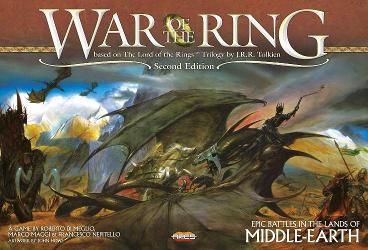 War of the Ring: Second Edition2011
 War of the Ring Collector's Edition2010
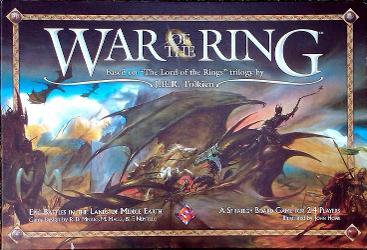 War of the Ring2004
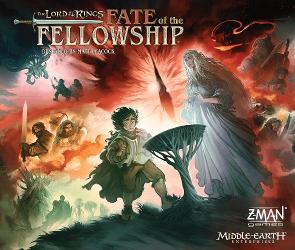 The Lord of the Rings: Fate of the Fellowship2025
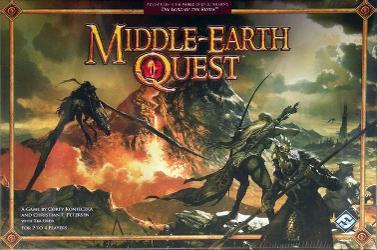 Middle-Earth Quest2009
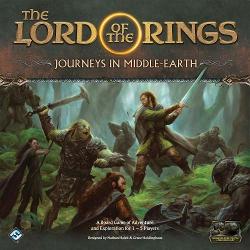 The Lord of the Rings: Journeys in Middle-Earth2019
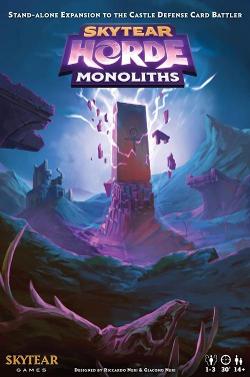 Skytear Horde: Monoliths2024
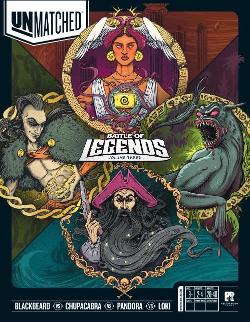 Unmatched: Battle of Legends, Volume Three2025
 The Lord of the Rings: The Card Game – Revised Core Set2022
 The Lord of the Rings Trading Card Game2001
 Hunt for the Ring2017
 Dragon Eclipse2025
People who own it also own
War of the Ring: Second Edition2011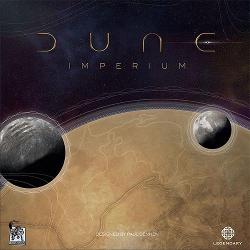 Dune: Imperium2020
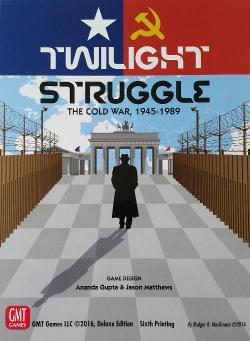 Twilight Struggle2005
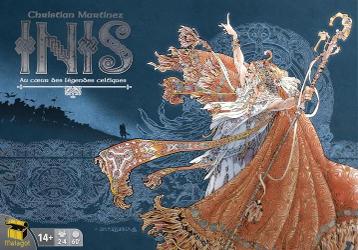 Inis2016
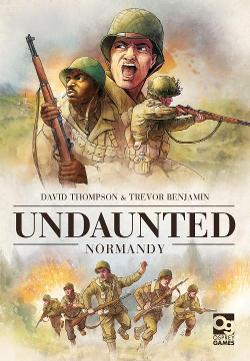 Undaunted: Normandy2019
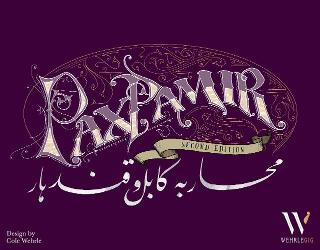 Pax Pamir: Second Edition2019
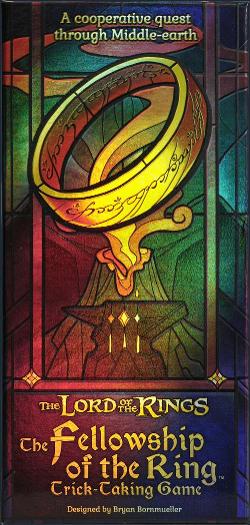 The Lord of the Rings: The Fellowship of the Ring – Trick-Taking Game2025
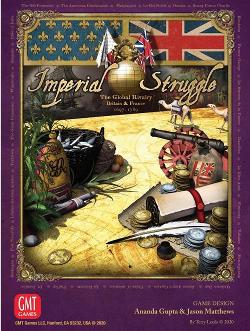 Imperial Struggle2020
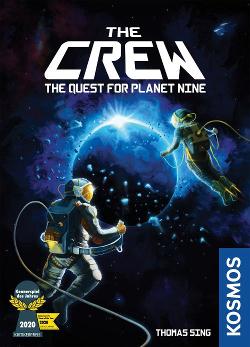 The Crew: The Quest for Planet Nine2019The Lord of the Rings: Journeys in Middle-Earth2019
 The Lost Expedition2017
 Kemet: Blood and Sand2021
Free, on web, Android and iOS
Play War of the Ring: The Card Game with Ludoya
- Keep it in your collectionTrack your copy and its expansions, lend it to friends, or put it on your wishlist and get told when the price drops.Add it to your collection
- Log every playScores, winners, timers and photos, then your stats: win rate, favourite player count, best score.Log a play
- Settle rules questionsAsk anything about the rules and get an answer from the rulebook, with the page to check it on.Ask the rules assistant
- Find people to play it withClubs, game nights and events near you that bring this game to the table.See events
Game facts (players, playing time, age, credits) from BoardGameGeek.