
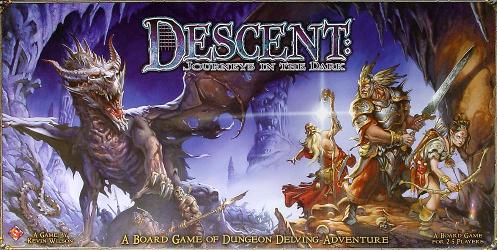
2005 · Fantasy
Descent: Journeys in the Dark
A one-versus-many dungeon-crawl where a group of up to four characters explore underground scenarios while a single player controls the dungeon's monsters, traps, and events. Players choose heroes with distinct skills and abilities, move through modular map tiles, fight monsters, and pursue scenario objectives like treasure, rescue, or area control. The Overlord player allocates enemies, places hazards, and reacts to the heroes' actions to thwart their plans. The heroes win by completing the scenario goals cooperatively; the Overlord wins by defeating heroes or forcing the party to lose enough Conquest Points through character deaths.
- Players
- 2–5 best 5
- Playing time
- 120–240 min
- Age
- 13+
- Complexity
- 3.3 / 5
About the game
- Design
- Publisher




Expansions
See them in Ludoya Descent: The Well of Darkness2006
 Descent: The Road to Legend2008
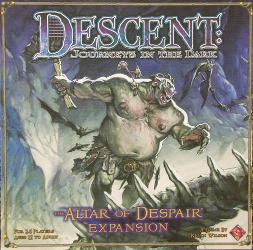 Descent: The Altar of Despair2007
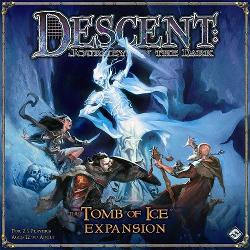 Descent: The Tomb of Ice2008
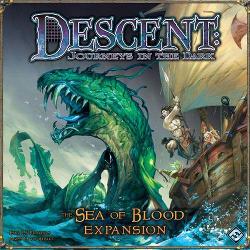 Descent: The Sea of Blood2009
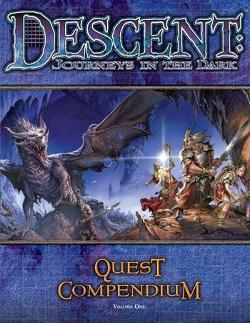 Descent: Journeys in the Dark – Quest Compendium – Volume One2009
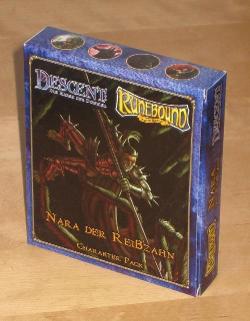 Descent / Runebound / Runewars Figure: Nara The Fang2009
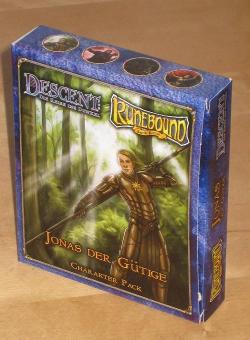 Descent / Runebound / Runewars Figure: Jonas the Kind2009
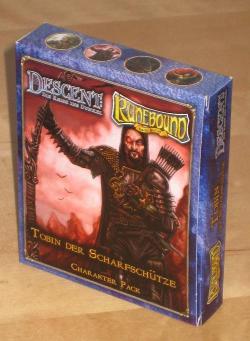 Descent / Runebound / Runewars Figure: Tobin Farslayer2009
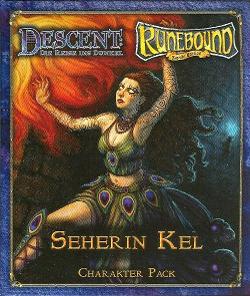 Descent / Runebound / Runewars Figure: Truthseer Kel2009
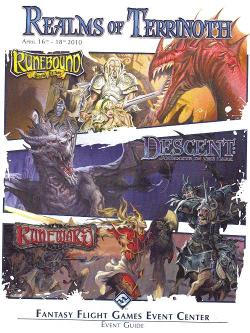 Realms of Terrinoth: Descent / Runewars Scenarios2010
 Descent: Journeys in the Dark – Bonus Quest: Cult of the 1002007
 Descent: Journeys in the Dark – Bonus Quest: The Chase2007
 Descent: Journeys in the Dark – Bonus Quest: The Aerie of Death2007
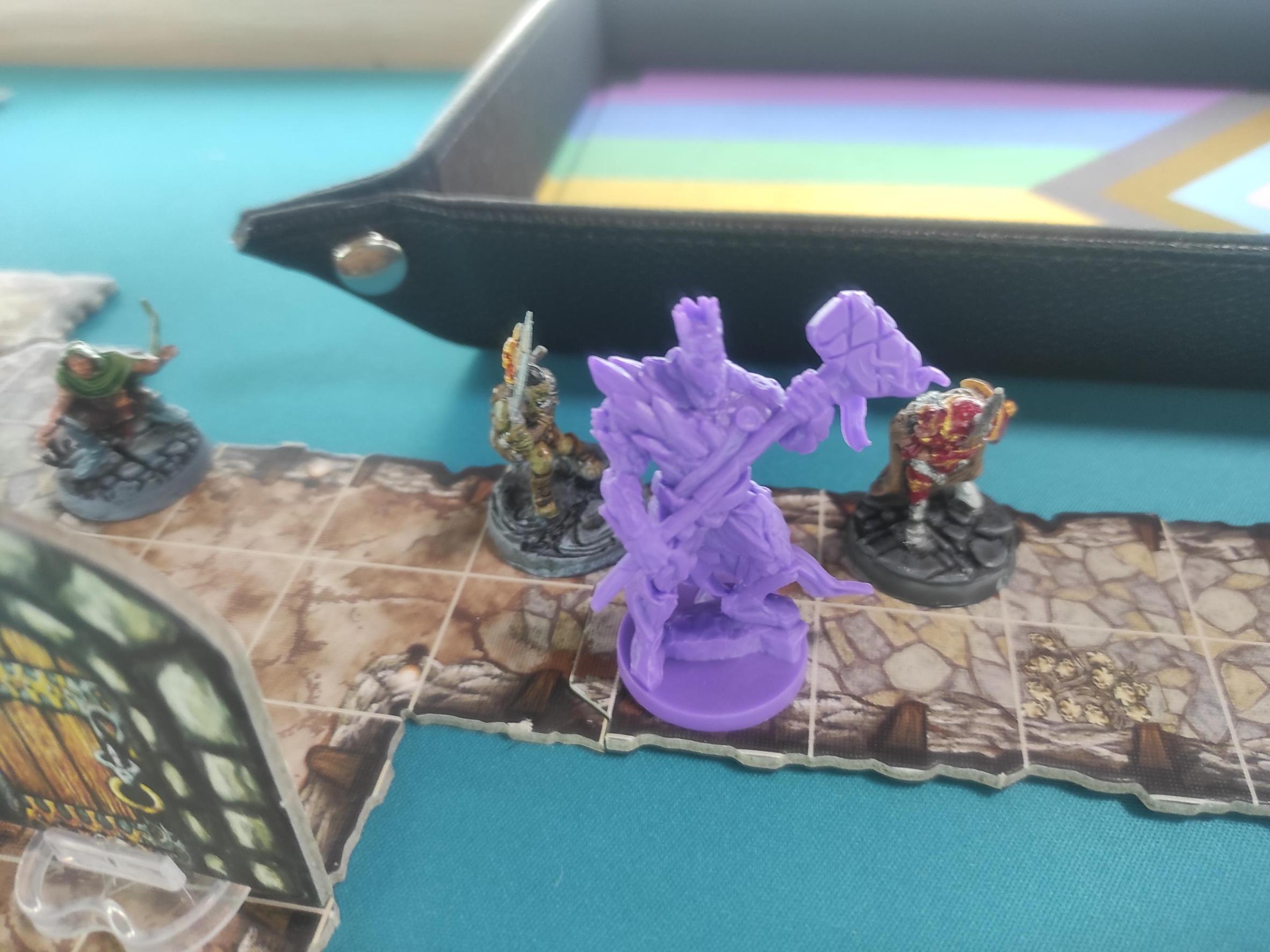
Photos from Ludoya tables
All photos in Ludoya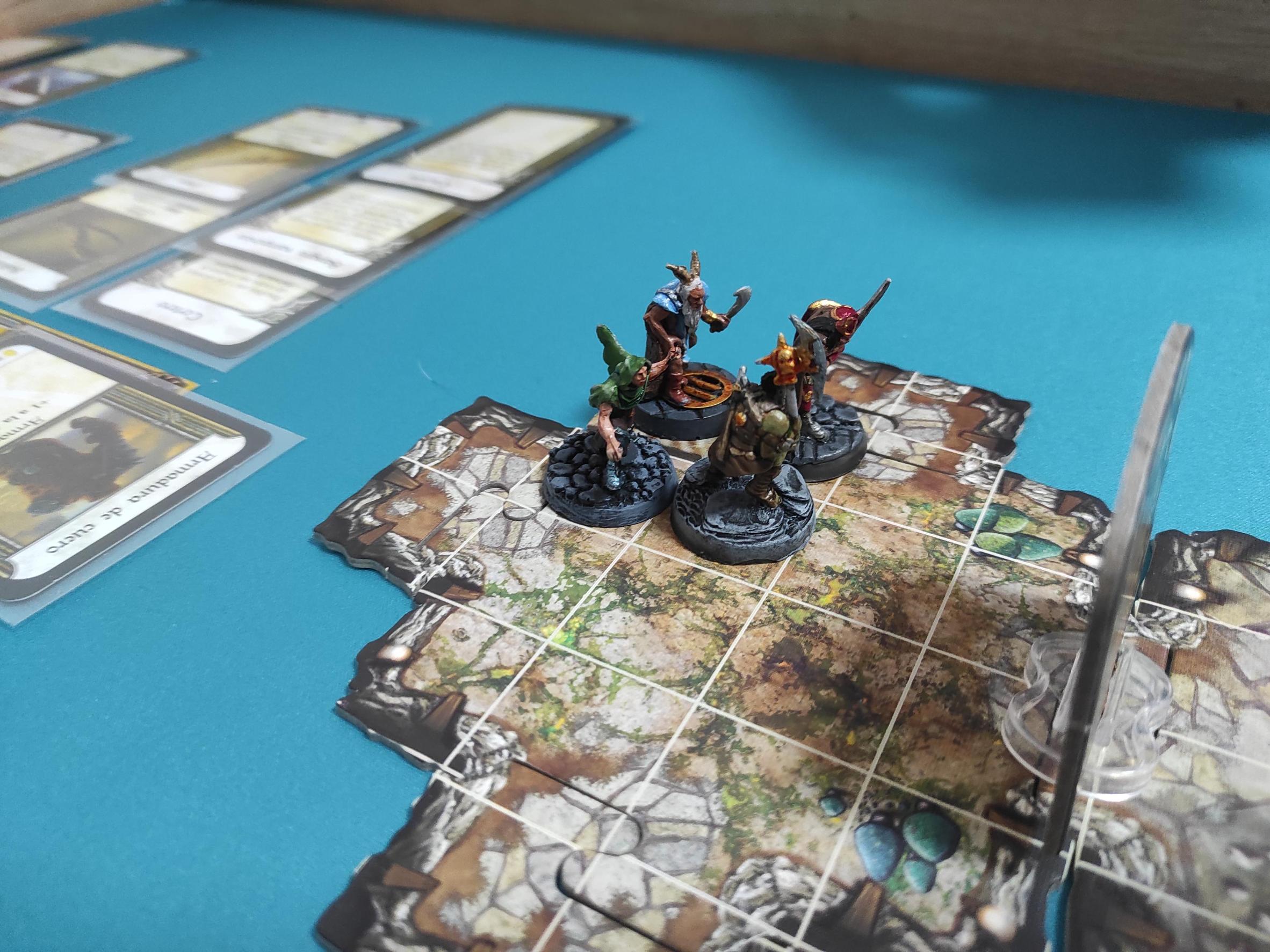
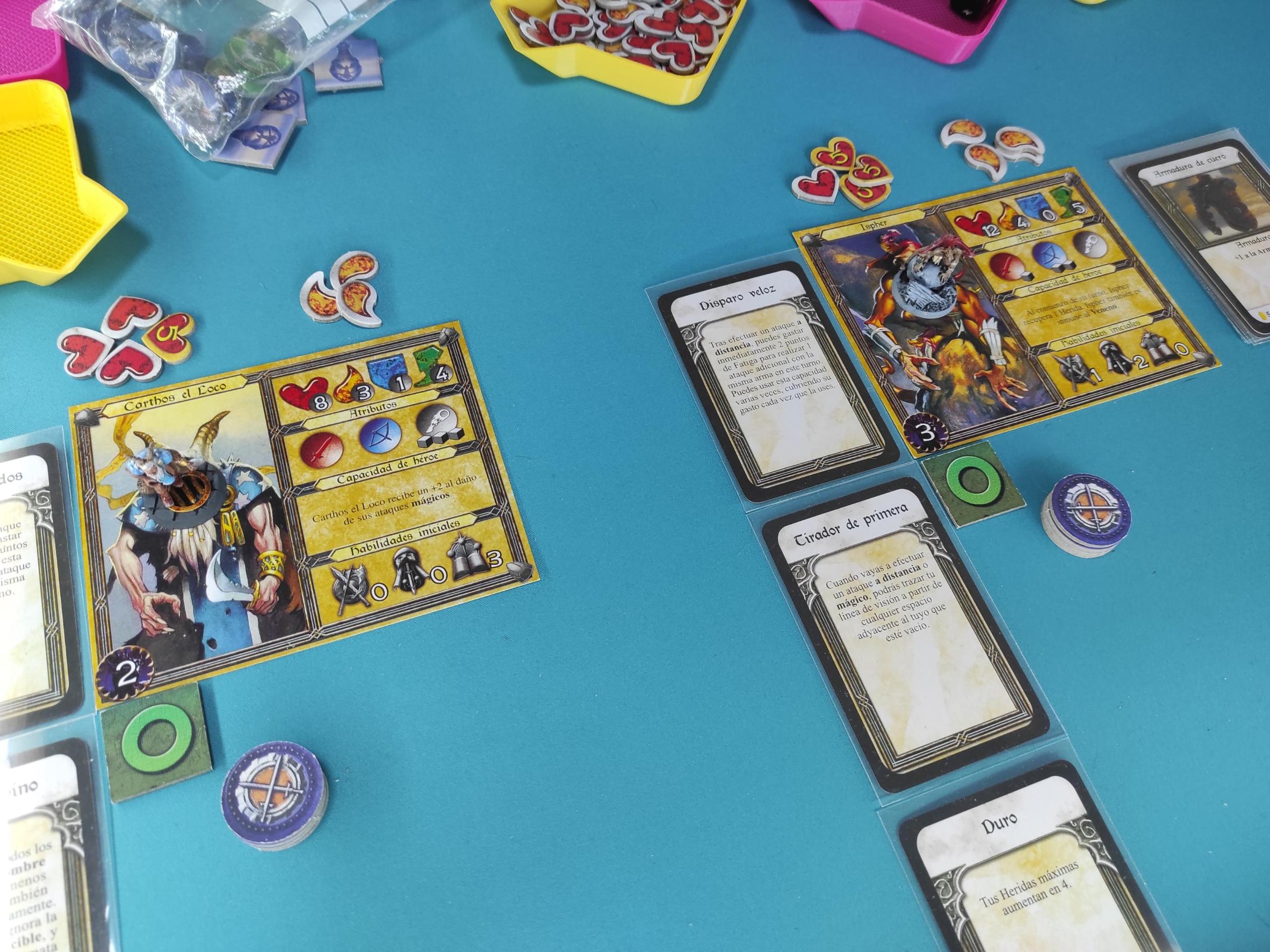
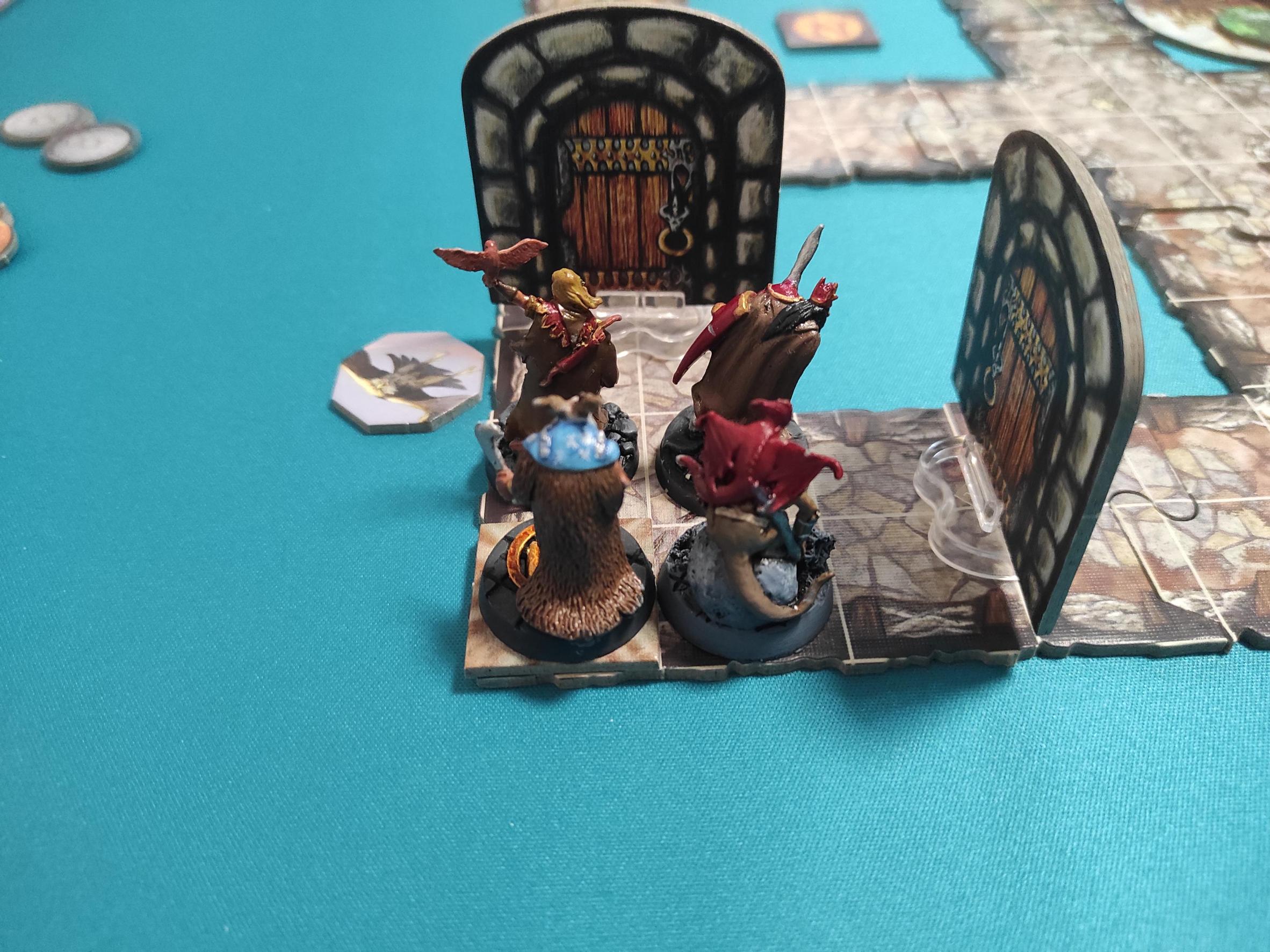
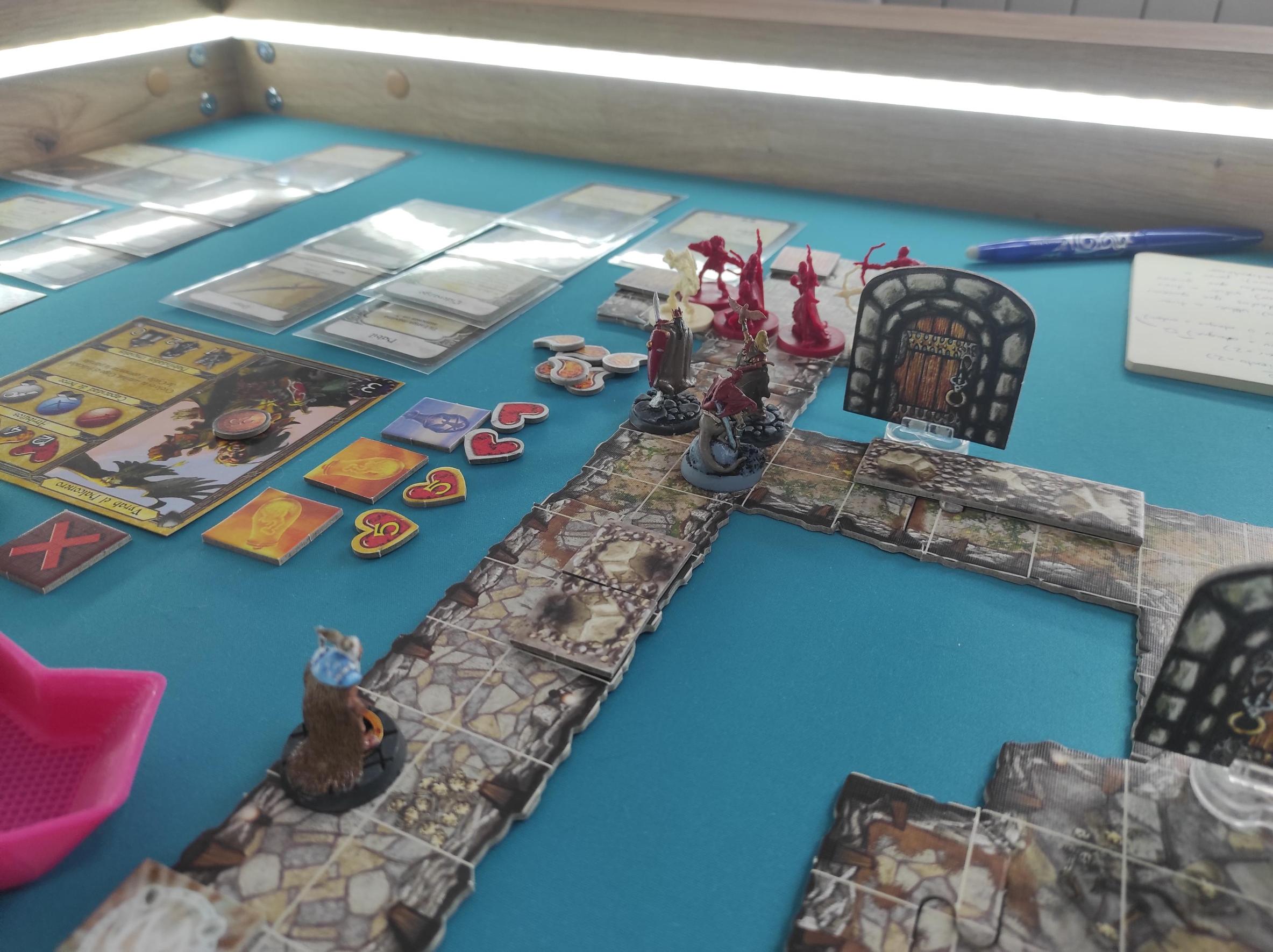
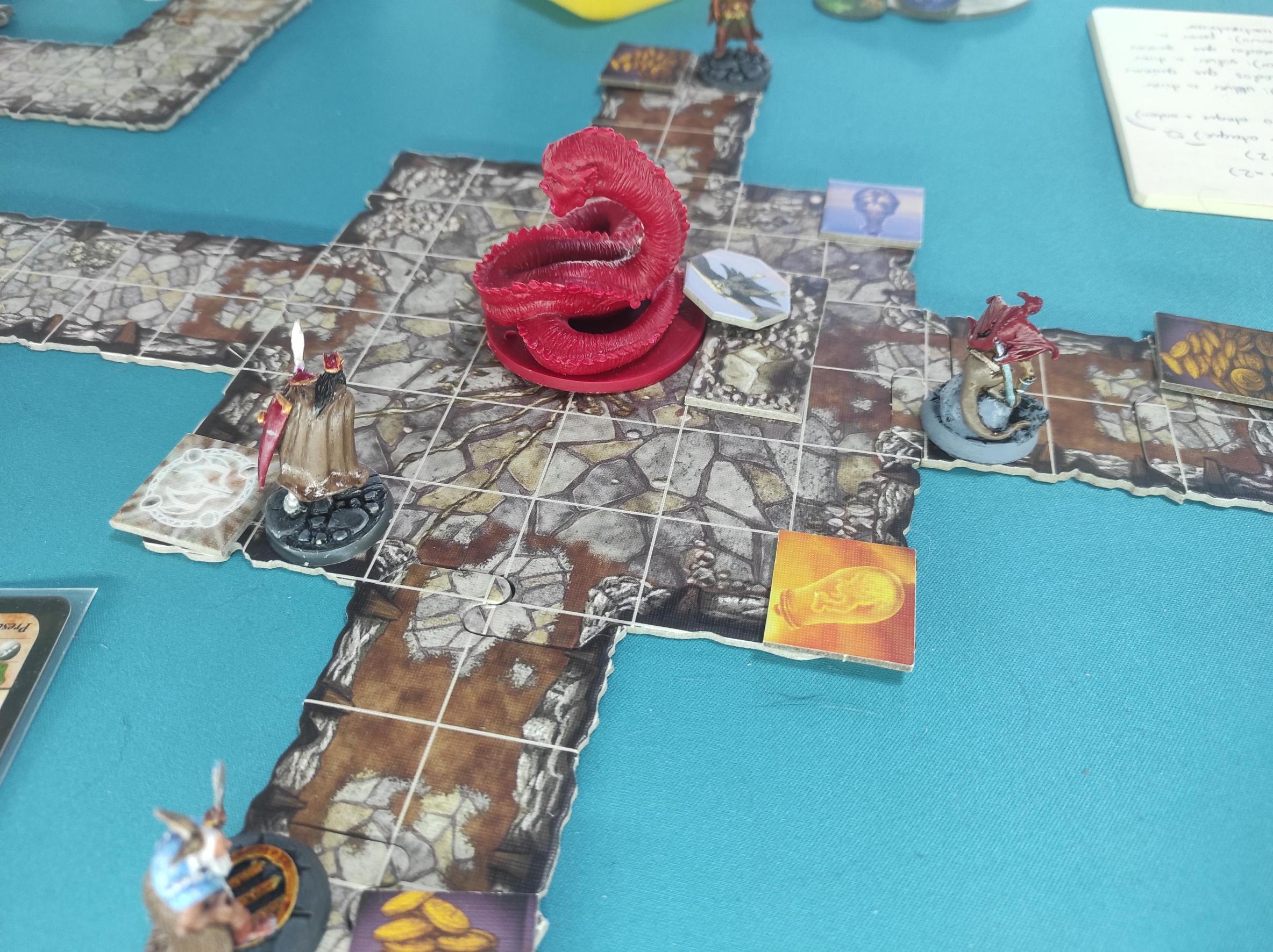
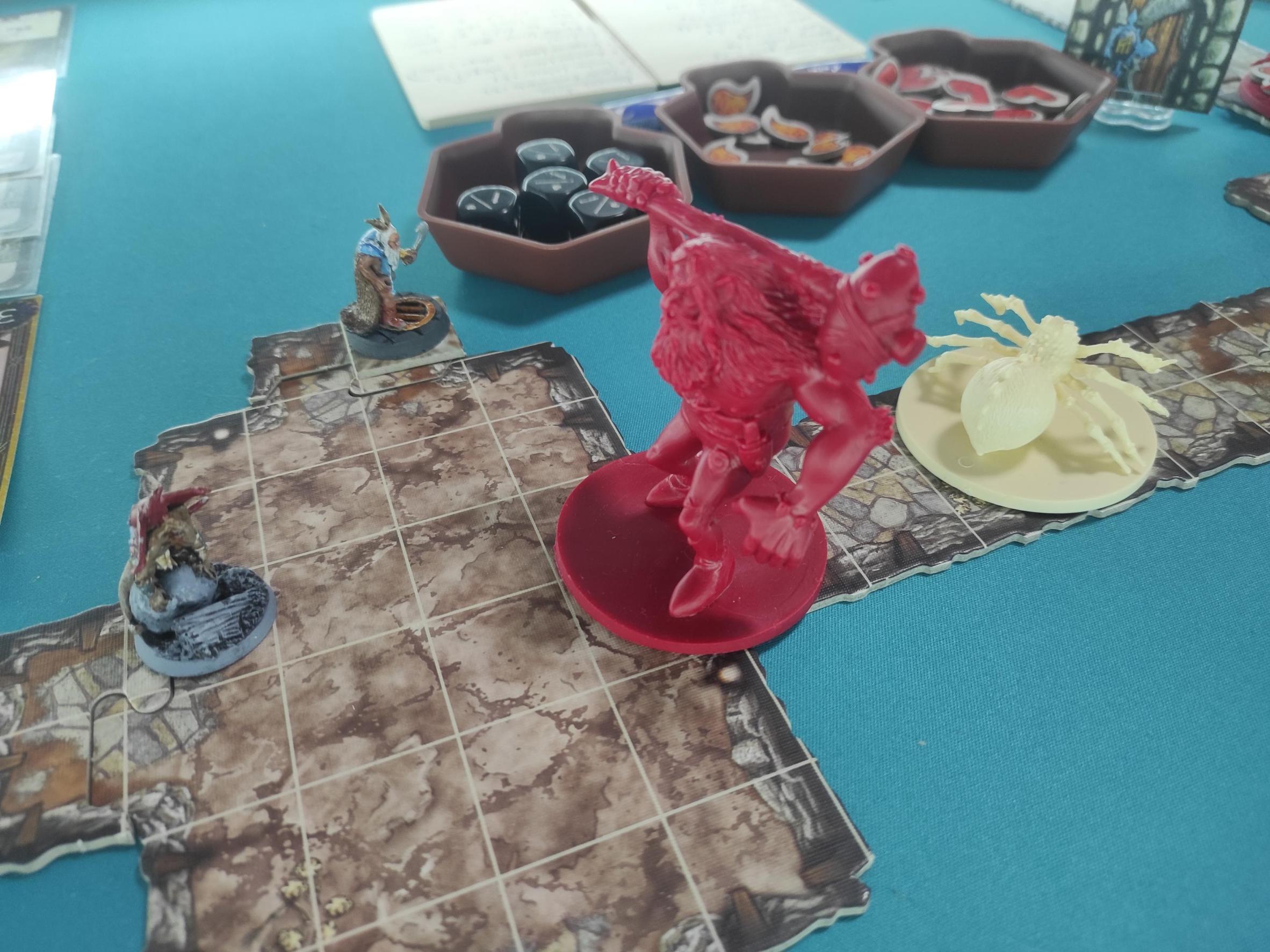
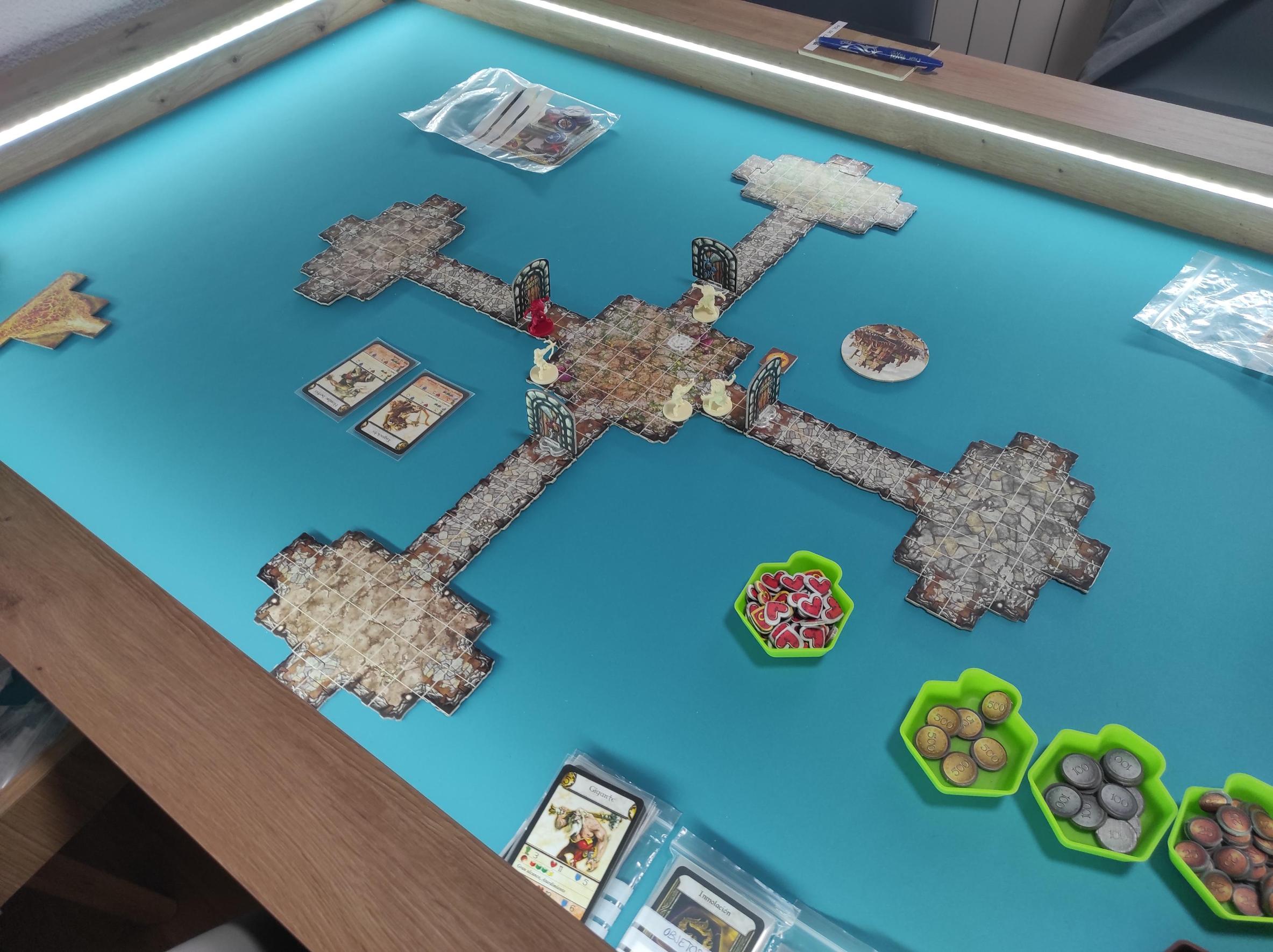
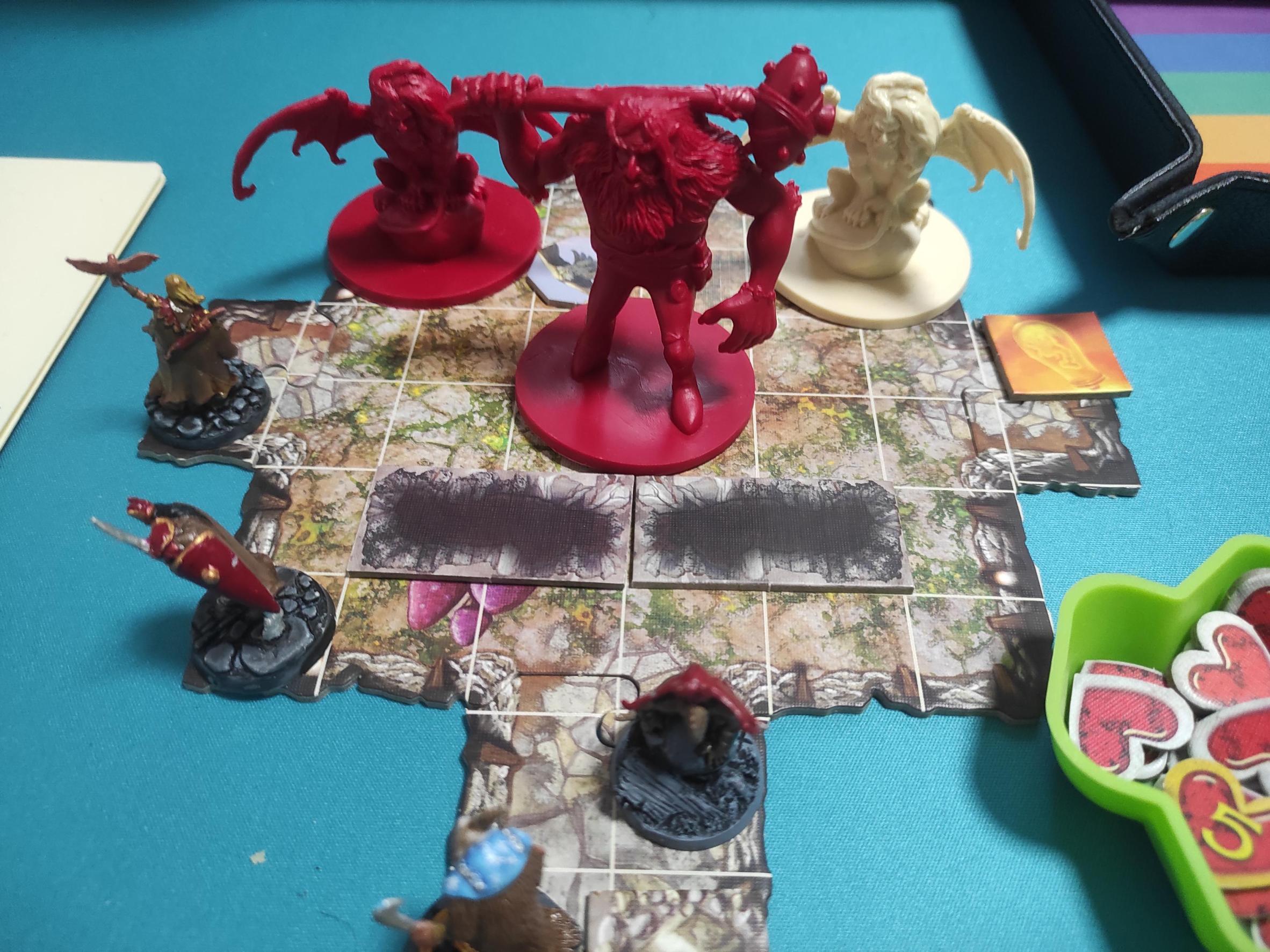
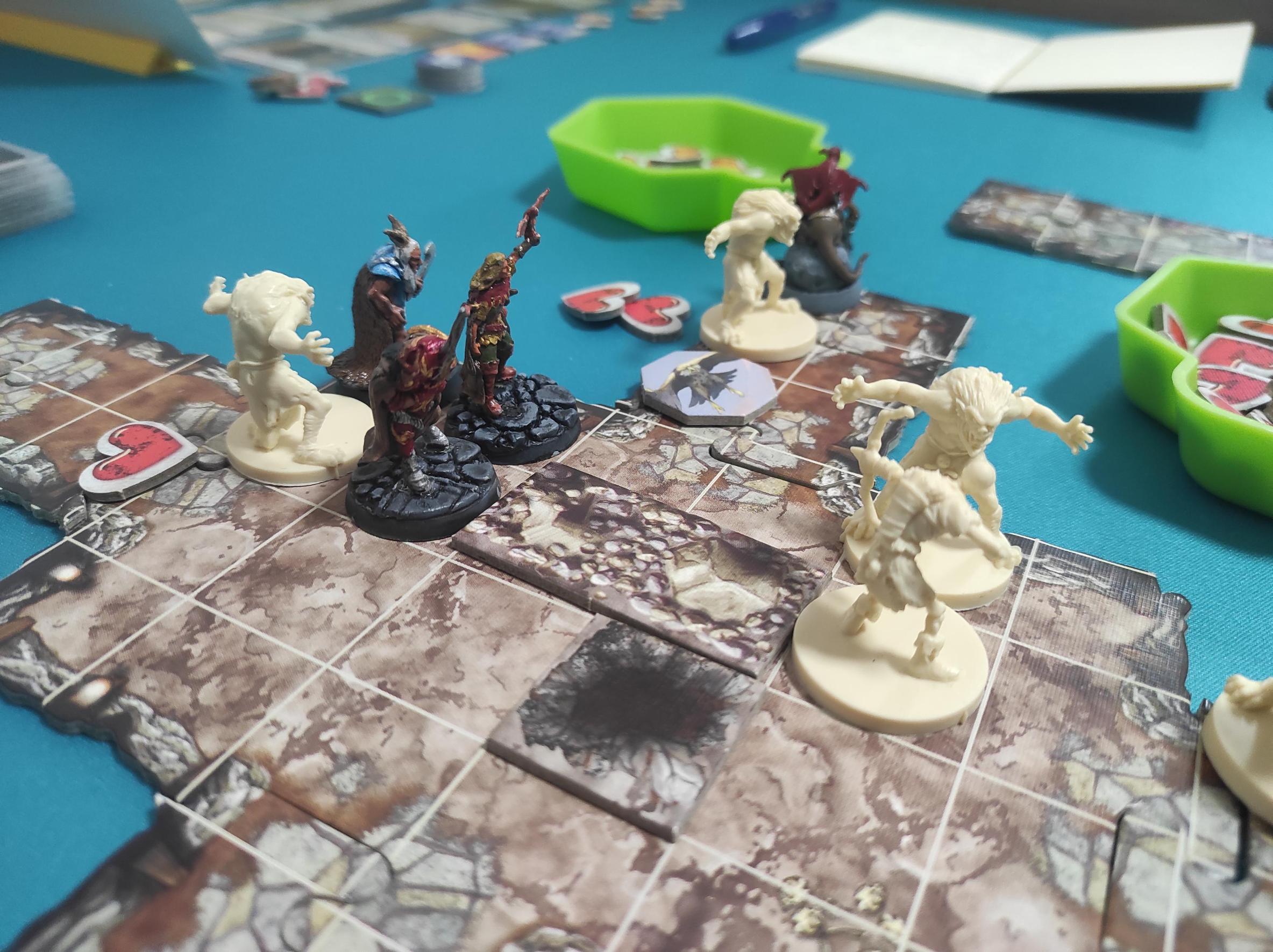
Where to buy it
Shop prices and second-hand copies, checked every day.
On Ludoya's tables
Full stats in Ludoya- 55
- Plays logged
- 34
- Players
- 1h 56m
- Average play
- 39
- In collections
- 1
- On wishlists
6.4/10
from 21 Ludoya reviews
Evan4.6 One player takes on the role of the overlord controlling the monsters, and a team of up to four players take on the role of the heroes. The game can be quite long, but compelling in a number of ways that I don't often see in other games of this genre. There is some character customization, but the process happens very quickly as opposed to the tech tree slog of Descent 2. Additionally, as the players progress, the map gets revealed gradually, and most maps have a secret puzzle of sorts that the players need to work out in order to win. Additionally, since each level is a one-off, over the course of a single map, players go from having a feeling of being low level scrubs into being high level masters across a single session as they collect better and better gear. That being said, the game can at times be frustrating. It could work out that several hours into a session, the players lose the game to a puzzle they didn't have the answer to. It could also be that players happen to get multiple cards together that each removes the overlord's action tokens making the next few turns a hero-steamroller rather than a proper back and forth experience. ★ Art, Iconography and components functional ★ Clever or interesting mechanisms ★ Reasonably low downtime between turns with mildly AP players ★ Multiple plays stay interesting ☆ Low or mitigatable luck elements ★★☆☆☆ Raw enjoyment
FinnTroll8.0 somehow i like this game despite the loads of dice
Rules questions
Answered from the rulebook by Ludoya's rules assistant.
What is the exact order of a hero's turn—do I Refresh, Equip, then Act?
A hero turn is three steps: Refresh, Equip, then Take an Action (move, attack, interact); follow the hero turn diagram and action options on Rulebook p.8.
How does line of sight work for attacks—can I shoot through corners or diagonals?
An attack requires an unobstructed line of sight from attacker to target drawn across the map (walls and obstacles block LOS); follow the declare and LOS steps in the attack sequence on Rulebook pp.9–10.
When and where do monsters spawn from spawn or trap cards?
Spawn and trap cards trigger during the overlord’s turn and instruct you to place monsters on the valid spawn points shown on the map or card, following the detailed spawn placement rules and examples on Rulebook p.12.
How do doors and exploring work—can heroes move through closed or rune-locked doors?
Heroes cannot move through closed doors without opening them (opening is an action); rune-locked doors require the specific key or action described by the quest, and full door/exploring rules are on Rulebook pp.13–14.
What are power surges and when can I spend fatigue to reroll dice?
Power surges are special faces on power dice and fatigue can be spent to reroll dice or activate certain effects as described in the power-dice and fatigue rules; see Rulebook pp.10 and 17 for die faces, surges, and spending fatigue to reroll.
What does the Guard order do and how do Guard interrupts interact with other actions or Rest?
Guard is an interrupt order that lets a hero react to attacks on adjacent allies outside their normal action, while Rest is a separate order with its own timing and effects; see Guard interrupts and Rest order rules on Rulebook pp.14–15.
Similar games
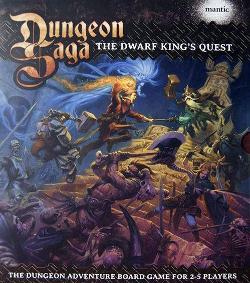 Dungeon Saga: Dwarf King's Quest2015
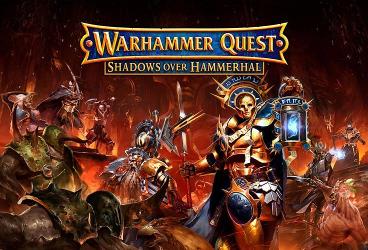 Warhammer Quest: Shadows Over Hammerhal2017
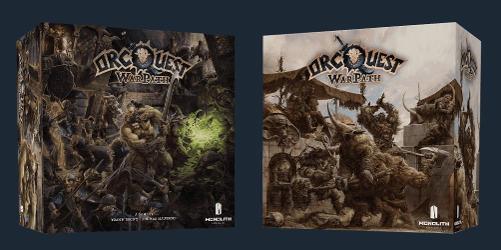 OrcQuest WarPath2023
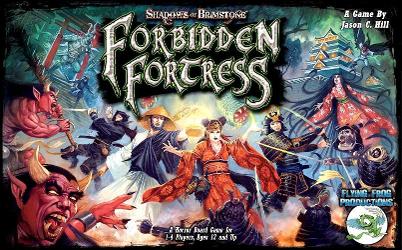 Shadows of Brimstone: Forbidden Fortress2018
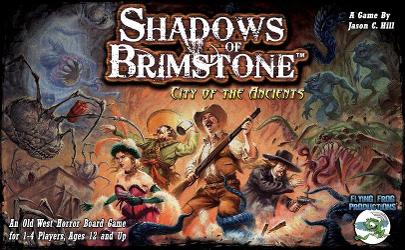 Shadows of Brimstone: City of the Ancients2014
 Okko Chronicles: Cycle of Water – Quest into Darkness2019
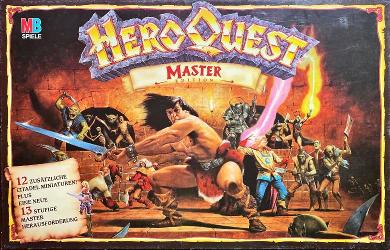 HeroQuest Advanced Quest1990
 Shadows of Brimstone: City of the Ancients (Revised Edition)2020
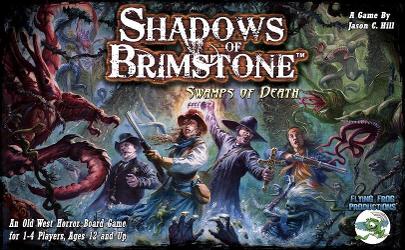 Shadows of Brimstone: Swamps of Death2014
 Dungeon Universalis2019
 Malhya: Lands of Legends2025
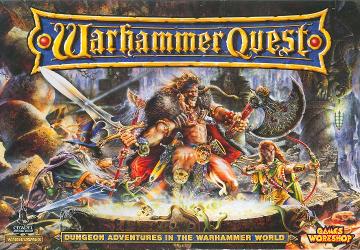 Warhammer Quest1995
People who own it also own
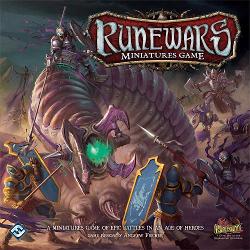 Runewars Miniatures Game2017
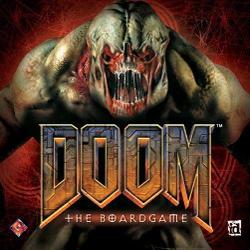 Doom: The Boardgame2004
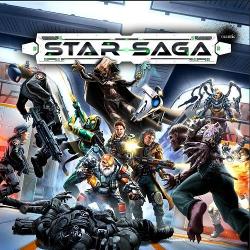 Star Saga2017
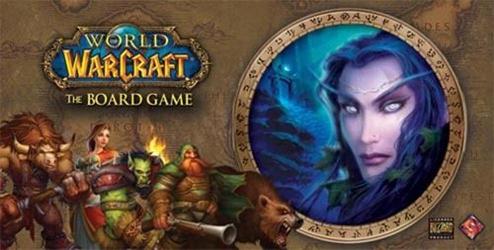 World of Warcraft: The Boardgame2005
 Super Dungeon Explore: Forgotten King2015
 The Hunters A.D. 21142019
 A Study in Emerald (Second Edition)2015
 Space Hulk (Fourth Edition)2014
 Space Crusade1990
 Age of Thieves2016
 HeroQuest1989
 Dungeon Twister2004
Free, on web, Android and iOS
Play Descent: Journeys in the Dark with Ludoya
- Keep it in your collectionTrack your copy and its expansions, lend it to friends, or put it on your wishlist and get told when the price drops.Add it to your collection
- Log every playScores, winners, timers and photos, then your stats: win rate, favourite player count, best score.Log a play
- Settle rules questionsAsk anything about the rules and get an answer from the rulebook, with the page to check it on.Ask the rules assistant
- Find people to play it withClubs, game nights and events near you that bring this game to the table.See events
Game facts (players, playing time, age, credits) from BoardGameGeek.