
For conventions and festivals
The whole convention, in the app your visitors already play with
Tickets, the schedule, the demo tables, the tournament bracket and the queue at the door — one system, from the first early bird to the trophy.
Track record
Events of fifty-plus have already run here
Each of these organizations has run an event with 50+ confirmed attendees on Ludoya.
 DarkStone Catalunya
 Cronomàster
 Daus Llunàtics
 Club Kraken
 Refugio del Sátiro
 Stas Tarat
 S’Agoita Lúdica
Structure
One event, a hundred things happening inside it
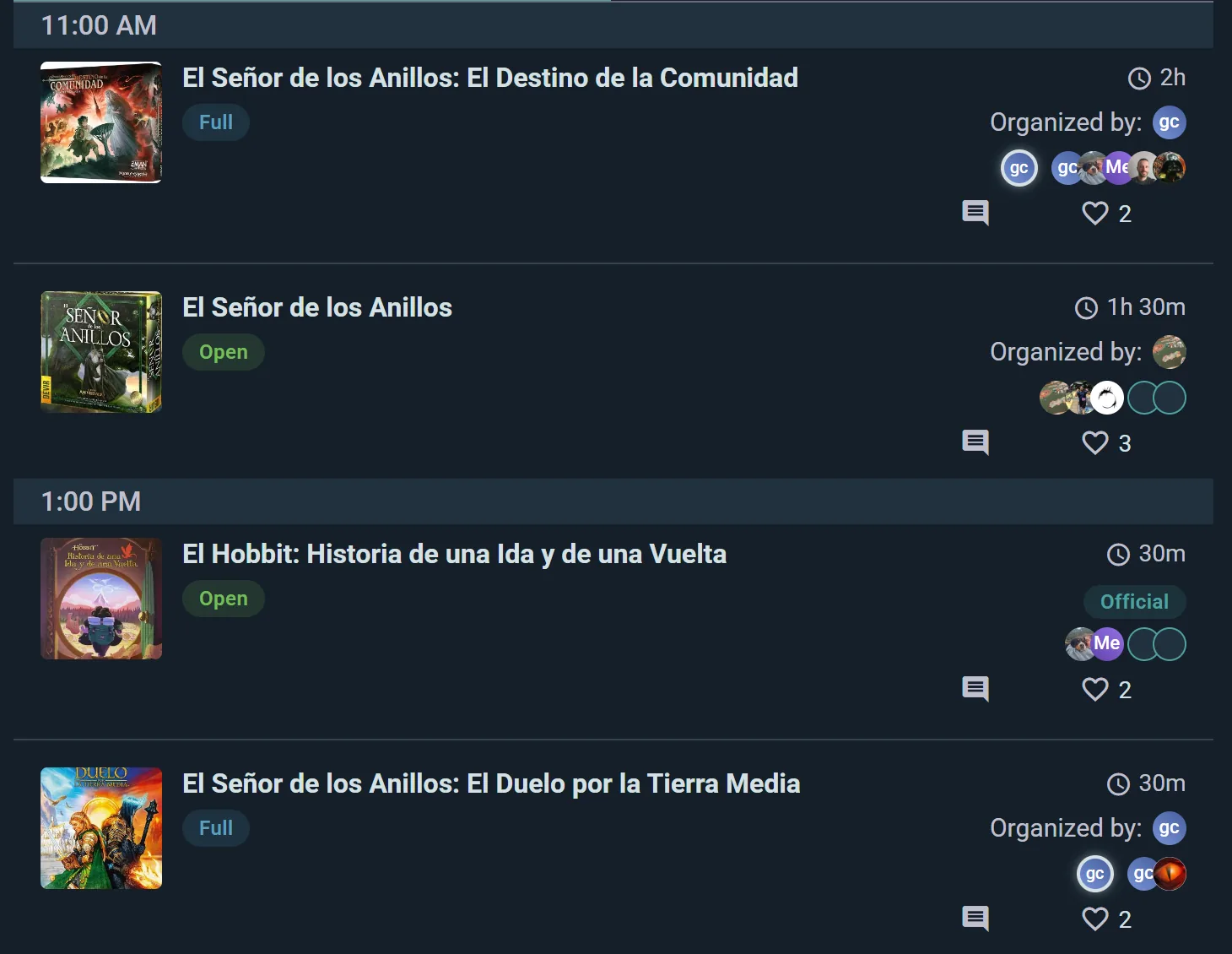
The convention is the parent; every session, demo, signing and side tournament is a sub-event with its own seats, times and sign-ups. Move the parent day, the children move with it.
- Sub-events with their own capacity. The Azul intro fills up without touching the hall ticket.
- A schedule visitors can plan from. Everything, timed, in their pocket, before they arrive.
- Co-hosted slots. A publisher or a club can run their corner under your roof, properly credited.
The door
The queue moves at the speed of a scan
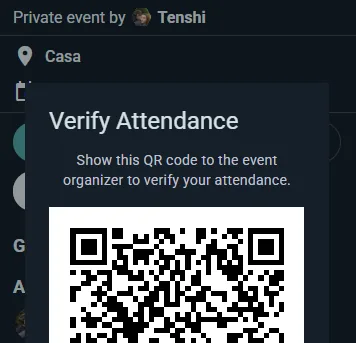
Every ticket is a QR. Staff scan, the system flags duplicates and already-useds, and you watch attendance climb in real time instead of counting wristbands.
- Check-in and check-out. Know who is in the building now, not just who came at some point.
- ID checks where you need them. Optional verification for age-gated or named tickets.
- Capacity overrides. The fire limit is a hard number; the guest list is your call.
Money
Tiered tickets, real refunds, automatic payouts
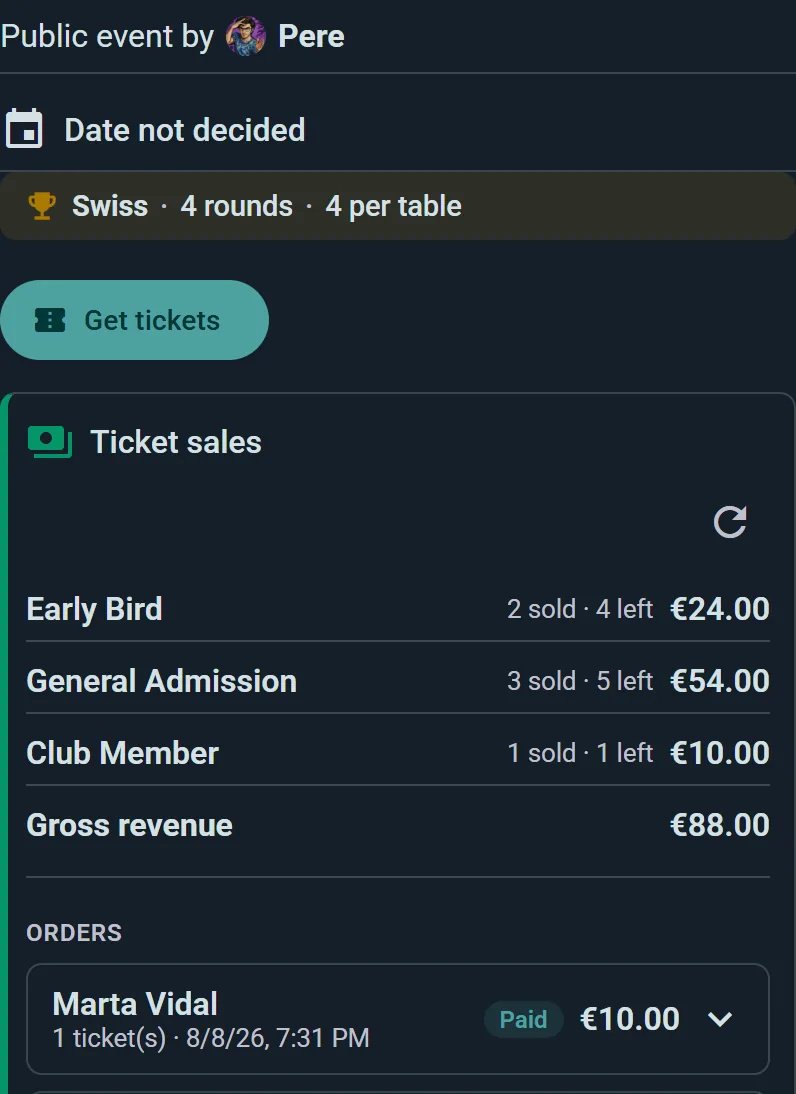
Early bird, weekend pass, family bundle, exhibitor — define the tiers, connect Stripe, and stop reconciling a spreadsheet against a bank statement.
- Sales you can watch. Per-type counts and revenue, live, from the first early bird.
- Refunds from the panel. One click, the money goes back, the seat goes back on sale.
- Cash coexists. Door sales logged by hand land in the same attendee list.
The difference
Generic ticketing sells entry. This runs the event.
A ticket platform stops caring at the door. The schedule, the demo tables, the bracket and the games themselves are exactly the parts a board game convention is actually made of.
Demo tables
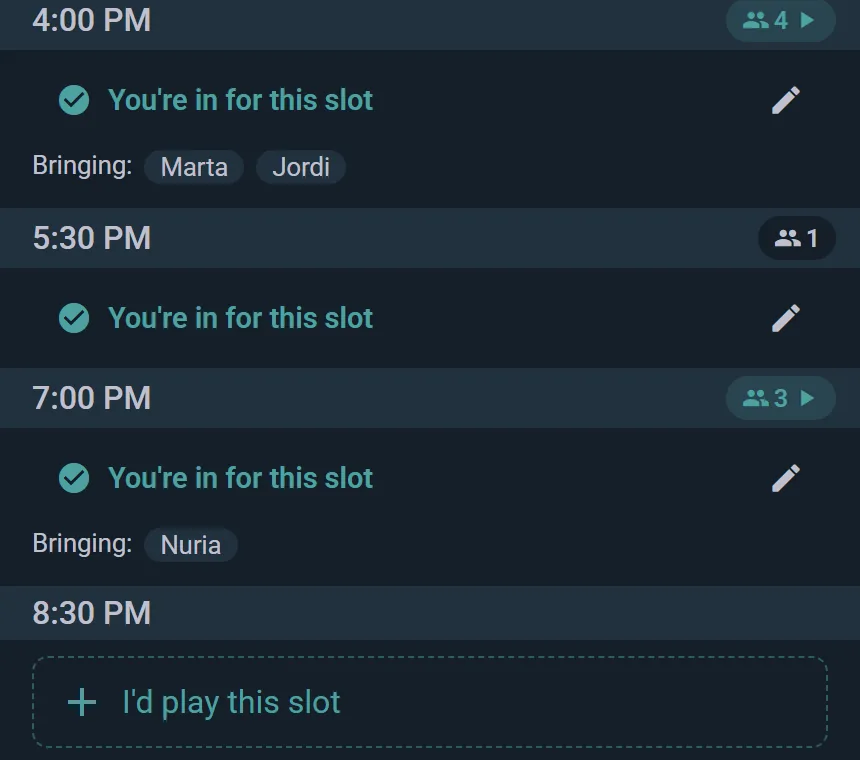
Play booth: seats at games, not just bodies in a hall
Rolling sessions across time slots — a visitor books a 17:00 seat at Heat the way they booked their entry, and the publisher’s demo team sees their day laid out.
- Slots fill themselves. Seats, waitlists and reminders per table, per slot.
- Plays get logged. Every demo becomes a real play in the players’ histories — and your numbers.
- Built for shop floors too. The same machinery runs an in-store demo day.
Competition
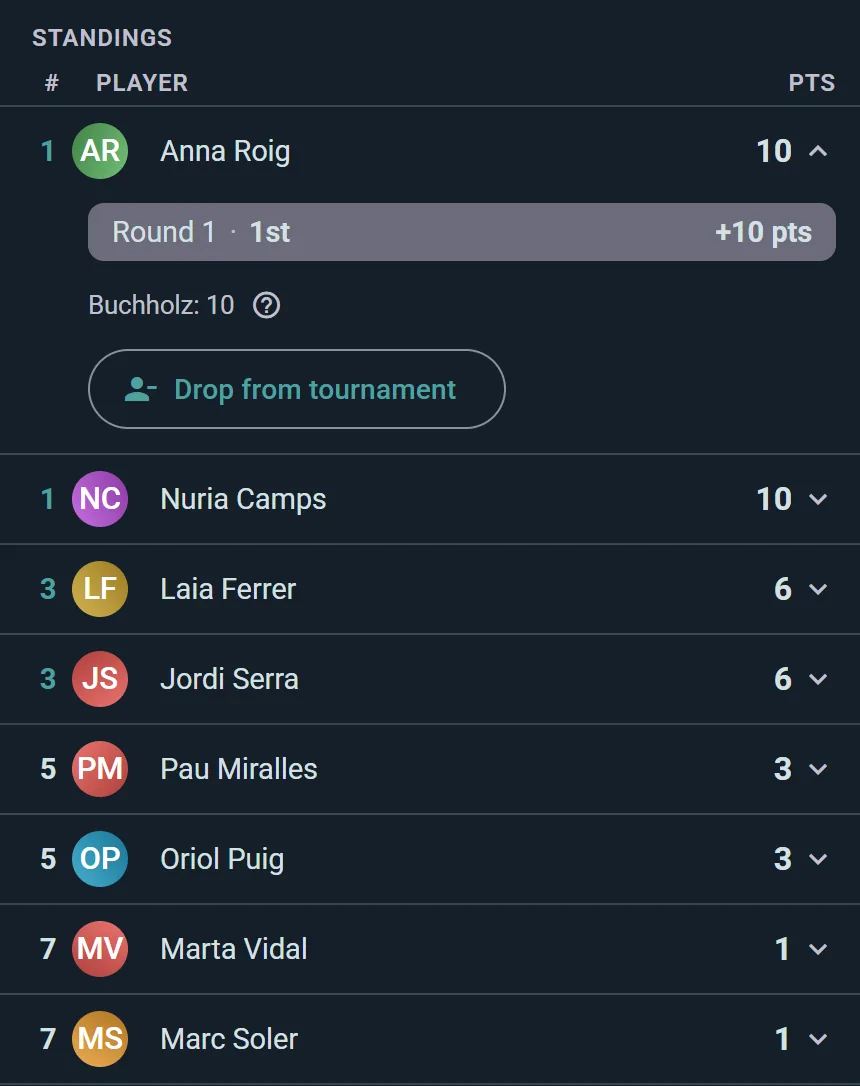
The tournament runs; you present the trophy
Swiss, mixer, single and double elimination — pairings computed, standings live on every phone, tiebreakers decided before anyone can argue.
- Multi-table Swiss. Three, four or more players per table — board games, not chess.
- Standings on every phone. Nobody crowds a printout taped to a pillar.
- Phases can be delegated. Qualifiers run by clubs, the final on your main stage.
The rest of the kit
Everything else a hall full of people needs
Interactive floor plans
Halls, zones and tables drawn once, used by every sub-event.
Custom registration forms
T-shirt sizes, dietary needs, minor consent — asked at sign-up, exported later.
Attendee export
The whole list as a file, for security, insurance or the caterer.
Raffles
Prize draws among attendees, drawn fairly, announced instantly.
Announcements that arrive
Push, feed and Telegram — schedule changes reach pockets, not noticeboards.
Public API
Your programme on your own website, synced from the same source of truth.
Working with us
From first call to doors open
Tell us the shape of it
Dates, expected heads, paid or free, tournaments or not. We will tell you honestly what fits and what does not.
Build the event together
Structure, ticket tiers, floor plan, forms and the sub-event programme — set up with someone who has done it before.
Run it live
Staff scan at the doors, standings update themselves, and you fix the real problems — the ones software cannot see.
What it costs
The platform itself is the Business plan — one subscription, public price, on the pricing page. Ludoya Tickets adds a small per-ticket fee, charged only on tickets actually sold, so a free community festival pays no ticket fees at all.
There is no per-attendee licence, no setup invoice, and no sales commission beyond the ticket fee.
Smaller than a convention? A recurring games night at your own place is the venues page; a club league is the clubs page.
Your convention, running on rails
Tell us the dates and the size. We answer fast, and honestly if it is not a fit.
Frequently Asked Questions
What size of event does this make sense for?
From a 30-person store championship to a multi-hall festival. The machinery is the same; you switch on the parts you need. Below roughly 30 attendees the Club plan usually covers you.
What does it cost, concretely?
The Business plan subscription, at the public price on the pricing page, plus a small per-ticket fee only on sold tickets. No per-attendee licence, no setup cost, no commission on top.
Can visitors buy tickets without installing the app?
Yes — ticket pages work in any browser, and the QR arrives by email. The app is where the schedule and the demo bookings shine, but the door never requires it.
What happens if the internet dies at the venue?
Check-in staff phones can each work independently — any working connection, including mobile data, keeps scans flowing. The app itself is built to tolerate patchy signal.
Can exhibitors and publishers run their own corners?
Yes. Sub-events can be co-hosted, so a publisher runs their demo table under their own name inside your programme, with their own staff managing it.
We already sold tickets elsewhere this year. Can we still use the rest?
Yes — import or register attendees and use scheduling, QR entry, tournaments and demo tables without Ludoya Tickets. Move ticketing over when the contract allows.
Whose data are the attendees?
Yours to export, and protected beyond that — attendee personal data is not shared with exhibitors or third parties. Publishers see aggregate participation, never identities.
Is there someone to call during the event?
Convention setups get a direct line to us, not a ticket queue. We have run event weekends alongside organisers and plan support around your dates.